Traveling with a new ear piercing can transform the excitement of a journey into a constant battle against discomfort and potential complications. From navigating bustling airports to enduring long flights or car rides, the pressure and friction on a healing piercing can lead to pain, swelling, irritation, and even infection. As an admin for Reviewshouz.com with over a decade of experience in travel product reviews, especially travel pillows, I understand these challenges intimately. The key to a smooth healing process while exploring the world lies in selecting the perfect travel pillow designed to protect your delicate new adornment. This guide will walk you through everything you need to know to ensure your ear piercings stay happy and healthy, no matter where your adventures take you.
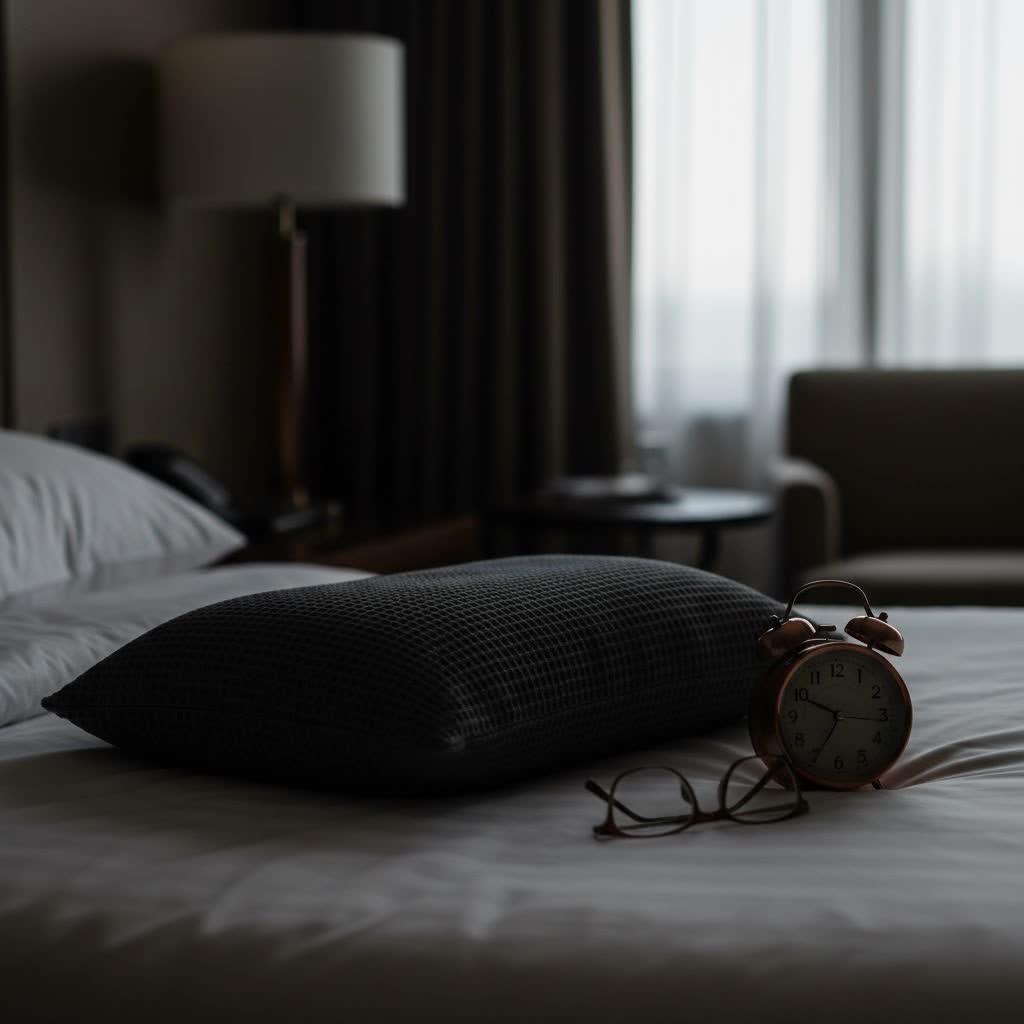
Why a Specialized Travel Pillow is Essential for Ear Piercings
|
Our Picks for the Best Travel Pillow in 2026
As an Amazon Associate I earn from qualifying purchases.
|
||
| Num | Product | Action |
|---|---|---|
| 1 | Adjustable Car Seat Lumbar Support Pillow Dual Straps Memory Foam Lower Back Waist Support Cushion with Convex Point Design Removable Cover for Vehicle SUVs Driving Travel Accessories Office Chair |

|
| 2 | SAIREIDER Travel Pillows for Sleeping Airplane 100% Pure Memory Foam Neck Pillow for Airplanes Washable Cover(Grey) |
|
| 3 | napfun Neck Pillow for Traveling, Upgraded Travel Neck Pillow for Airplane 100% Pure Memory Foam Travel Pillow for Flight Headrest Sleep, Portable Plane Accessories, Light Grey |
|
| 4 | Dot&Dot Twist Memory Foam Travel Pillow for Airplanes - Travel Neck Pillow for Sleeping - Airplane Pillow for Neck Support, Chin, Lumbar and Leg - Adjustable, Bendable Neck Roll Pillow |
|
| 5 | SZXYX Travel Pillows - 100% Pure Memory Foam Neck Pillow for Airplanes, Comfortable Breathable Cover, 360° Support Stowable Pillows for Sleeping, Car, Airport Travel Essentials Dark Grey |
|
| 6 | FlyHugz® Neck Travel Pillow - Memory Foam Neck Pillow for Comfort on Airplane - Compact and Ergonomic Design for Travel, Car Rides, and Home Use - Ideal for Adults and Kids |
|
| 7 | Cabeau Airplane Travel Pillow for Long Flights - Evolution S3 - Supportive Memory Foam with Seat Straps to Secure Your Head and Neck and Provides 360° Support (Jet Black) |
|
| 8 | Travel and Camping Pillow- Compressible Medium Firm Memory Foam Pillow with Carry Bag for Backpacking & Airplane, Lumbar Support. Breathable Cooling Fabric, Washable Pillowcase (Wathet Blue) |
|
| 9 | Ormark Travel Pillows for Airplanes, 2026 New Travel Pillow with Eye Mask & Ear Plugs, Travel Neck Pillow Airplane 100% Memory Foam 360 Degree Support Stowable Pillows(Gray) |
|
| 10 | SAIREIDER Travel Pillow 100% Pure Memory Foam Travel Neck Pillow, Airplane Pillow for Traveling、Car、Home、Office,Washable Cover(Black) |
|
The importance of uninterrupted healing for a new ear piercing cannot be overstated. During the initial weeks or even months, your piercing is an open wound susceptible to external pressures and contaminants. While a good night’s sleep is crucial for overall health, traditional pillows and standard travel pillows often exert direct pressure on the ear, which can impede blood circulation, prolong healing, and increase the risk of complications such as irritation bumps, swelling, or infection.
Unlike conventional designs, a specialized travel pillow with an ear cut-out or unique shape actively prevents contact, creating a protective space around your piercing. This not only minimizes pain and discomfort but also promotes better airflow, which is vital for healing. For side sleepers, in particular, these pillows are a game-changer, allowing them to rest comfortably without constantly worrying about damaging their new jewelry. Choosing the right pillow isn’t just about comfort; it’s an investment in your piercing’s health and the longevity of your new accessory.
Popular Travel Pillow Types for Pierced Ears
The market offers various travel pillows, but for those with ear piercings, specific designs stand out for their ability to provide pressure relief and support.
-
Piercing Pillows with Ear Holes (Donut Pillows): These pillows are purpose-built for individuals with ear piercings, chronic ear pain, or those recovering from ear surgery. They feature a central hole or cut-out where your ear can rest without any pressure, allowing it to “breathe” and heal undisturbed. Often compact and lightweight, they are ideal for travel and can be made from materials like memory foam, buckwheat, or adjustable fiberfill. Their primary advantage is targeted pressure relief, which is invaluable for cartilage piercings like helix or industrial.
-
Modified U-shaped Travel Pillows: While standard U-shaped neck pillows can sometimes press against the ears, some modern designs incorporate ear cut-outs or are made with softer, more flexible materials that minimize direct contact. These pillows provide excellent neck support, which is beneficial during long periods of sitting, such as on planes or in cars. However, it’s crucial to select one specifically adapted for piercings or to ensure its design provides ample space for your ear.
-
Inflatable Travel Pillows: Praised for their portability and adjustable firmness, inflatable pillows can be a viable option for pierced ears. You can customize the inflation level to reduce pressure around your ears, making them adaptable to different stages of healing or sensitivity. Their compact nature when deflated makes them a favorite for minimalist travelers. However, ensuring they provide consistent, stable support without creating new pressure points is important.
-
Memory Foam Travel Pillows: Memory foam is celebrated for its ability to contour to your head and neck, offering personalized support and comfort. When considering a memory foam travel pillow for a piercing, look for models that explicitly feature an ear cut-out or a design that naturally creates a gap around the ear. While offering excellent cushioning, a solid memory foam pillow without an ear-friendly design could still put undue pressure on a healing piercing.
Comparison Table: Travel Pillow Types for Piercings
| Feature | Piercing Pillows with Ear Holes | Modified U-shaped Travel Pillows | Inflatable Travel Pillows | Memory Foam Travel Pillows (with ear space) |
|---|---|---|---|---|
| Ear Protection | Excellent (direct pressure avoidance) | Good (if designed with cut-outs/space) | Fair-Good (adjustable inflation for space) | Good (if designed with ear contour/cut-out) |
| Neck Support | Varies (some offer full neck support) | Excellent (classic neck support) | Good (depends on inflation and design) | Excellent (contours to neck) |
| Portability | Good (often compact) | Varies (can be bulky) | Excellent (deflates for compact storage) | Fair-Good (can be dense/heavy) |
| Material Options | Memory foam, buckwheat, fiberfill | Memory foam, microbeads, inflatable | PVC, flocked fabric | Dense memory foam |
| Adjustability | Often adjustable fill | Limited (some have adjustable straps) | Highly adjustable (inflation level) | Minimal (conforms to shape) |
| Pros | Direct pressure relief, airflow | Good general neck support, familiar form | Highly portable, customizable firmness | Superior comfort, contouring support |
| Cons | May lack full neck support | Can still press ears if not specialized | Less luxurious feel, can be noisy | Can be warm, may lack ear hole in standard |
| Best For | Side sleepers, fresh piercings | Travelers needing strong neck support | Backpackers, minimalist travelers | Those prioritizing plush comfort & support |
How to Choose the Perfect Travel Pillow for Your Piercings
Selecting the ideal travel pillow requires careful consideration of several factors, especially when protecting a healing ear piercing.
- Ear Hole Design: This is arguably the most critical feature. Ensure the pillow has a sufficiently large and well-placed hole or cut-out to completely prevent any contact with your ear. The edges of the hole should be soft and smooth to avoid any incidental irritation. Some designs feature a “cup” shape for the ear, providing extra clearance.
- Material: The material impacts both comfort and hygiene.
- Breathability: Look for breathable fabrics like cotton to prevent heat and moisture buildup, which can hinder healing and encourage bacterial growth.
- Support: Memory foam, buckwheat hulls, or adjustable poly fiberfill can offer excellent support for your head and neck while keeping the ear free. Buckwheat pillows, for instance, are known for their cooling properties and firm, customizable support.
- Hypoallergenic: If you have sensitive skin, choose hypoallergenic materials to reduce the risk of allergic reactions.
- Support and Comfort: Beyond ear protection, the pillow should provide adequate neck and head support to maintain proper spinal alignment, preventing stiffness and discomfort during travel. Some pillows allow you to add or remove filling, enabling you to customize the height and firmness to your preference. Test different positions to ensure overall comfort.
- Portability and Hygiene: For travel, a compact and lightweight pillow is advantageous. Consider how easily it can be packed into your carry-on luggage. Furthermore, hygiene is paramount for healing piercings. Opt for pillows with removable, machine-washable covers to ensure you can keep them clean and free from bacteria.
- Durability and Price: Investing in a high-quality travel pillow designed for piercings is worthwhile. Check for durable stitching and quality zippers. While budget options exist, a slightly higher investment often translates to better materials, superior design, and longer-lasting comfort and protection. Read user reviews to gauge real-world durability.
Top Travel Pillow Recommendations
While I cannot provide specific affiliate links directly in this context, here are examples of what to look for when choosing a top-rated travel pillow for your pierced ears:
- The “Original Pillow with a Hole” Style: These are often rectangular or square pillows with a precisely engineered ear hole. They excel at providing universal ear relief and good head/neck support. Look for versions with adjustable filling (like shredded memory foam or buckwheat) and a soft, washable cover. Brands that specialize in ear-specific pillows for CNH or tinnitus often have excellent travel versions.
- Compact Donut-Style Piercing Pillows: Smaller, more portable donut-shaped pillows are fantastic for shorter trips or if you prefer a less bulky option. They focus primarily on ear protection, making them ideal for tucking into a bag or using on public transport. Ensure they still offer enough cushioning around the ear hole for comfort.
- Ergonomic U-Shaped Travel Pillows with Ear Cut-outs: Some innovative U-shaped designs now feature strategic indentations or holes for the ears. These combine the familiar neck support of a travel pillow with the crucial ear protection needed for piercings. Look for high-density memory foam or inflatable versions with these specialized features for the best of both worlds.
Essential Travel Tips for Piercing Aftercare
Having the right travel pillow is a crucial step, but proper piercing aftercare during travel extends beyond just your pillow.
- Timing Your Trip: If possible, try to schedule your travel after the initial healing period for your new piercing, typically at least 1-2 weeks. For flights, it’s advised to wait at least 72 hours after getting pierced to allow initial swelling to subside, as changes in cabin pressure can exacerbate swelling and discomfort.
- Cabin Pressure and Swelling: Air travel can lead to increased sensitivity and temporary swelling around fresh piercings due to changes in air pressure during takeoff and landing. To mitigate this, consider taking anti-inflammatory medication like ibuprofen before and after your flight (consult a doctor first), and gently moving your jaw or swallowing can help equalize ear pressure.
- Hygiene on the Go: Airports and airplanes are breeding grounds for bacteria. Maintain strict hygiene by washing your hands thoroughly with soap and water or using hand sanitizer before touching your piercing or pillow. Bring travel-sized piercing aftercare solution (saline spray is ideal) and clean your piercing 2-3 times daily as recommended by your piercer. Always use a clean pillowcase, changing it regularly, especially during extended travel. If you must use a shared pillow, cover it with a clean shirt or personal pillowcase.
- Stay Hydrated: Dehydration during air travel can impact the healing process. Drink plenty of water before, during, and after your flight to keep your body and piercing well-hydrated.
- Consult Your Piercer: Before any significant travel, especially with a new or healing piercing, it’s always best to consult with your professional piercer. They can provide personalized advice based on your specific piercing type and its healing stage, ensuring you’re well-prepared for your journey.
Conclusion
Navigating travel with a new ear piercing doesn’t have to be a source of anxiety. By understanding the unique challenges and equipping yourself with the right tools, primarily a specialized travel pillow designed to protect your piercing, you can ensure a comfortable journey and promote optimal healing. The ideal travel pillow for pierced ears provides crucial pressure relief, fosters good hygiene, and offers the necessary support to make your travels as enjoyable and pain-free as possible. Investing in your comfort and your piercing’s health means you can focus on making memories, not managing discomfort.
So, as you plan your next adventure, remember that the perfect travel companion might just be the pillow that safeguards your new adornment. Are you ready to embrace pain-free travel with your beloved piercings?
Frequently Asked Questions
Can I use a regular U-shaped travel pillow with a new ear piercing?
Generally, it’s best to avoid standard U-shaped travel pillows if you have a new ear piercing, as they can put direct pressure on your ear, causing pain, irritation, or delaying healing. Look for U-shaped pillows specifically designed with ear cut-outs or opt for a dedicated piercing pillow with a central hole for optimal protection.
How often should I clean my piercing pillow or pillowcase while traveling?
Maintaining hygiene is crucial for healing piercings. It’s recommended to clean your pillowcase every three days as an extra precaution against infection. If your travel pillow has a removable, machine-washable cover, clean it regularly. Always wash your hands before touching your pillow or piercing.
How long until I can sleep on my ear piercing normally?
The healing time for ear piercings varies greatly depending on the location. Lobe piercings might take 6 weeks to several months, while cartilage piercings (like helix or industrial) can take much longer, often 6 months to over a year to fully heal. You should continue using a piercing-friendly pillow until your piercing is completely healed and comfortable with pressure.
What are the signs of an infected piercing while traveling?
Be vigilant for signs of infection such as unexpected and excessive redness, swelling, throbbing pain, warmth around the piercing, or a thick, discolored discharge (yellow, green, or foul-smelling). If you notice any of these symptoms, seek medical attention promptly, as infections can worsen quickly, especially when traveling.
