Long-haul flights can transform the excitement of travel into a grueling test of endurance, often leaving you feeling stiff, exhausted, and battling a sore neck. The culprit? Uncomfortable upright sleeping positions that wreak havoc on your spine and muscles. Finding the best travel neck pillow for long flights isn’t just about luxury; it’s about safeguarding your comfort and ensuring you arrive at your destination refreshed and ready to explore. With a decade of experience testing hundreds of travel pillows, we understand the critical factors that separate a game-changer from a mere accessory. Let’s delve into the world of travel pillows and discover the perfect companion for your next extended journey.
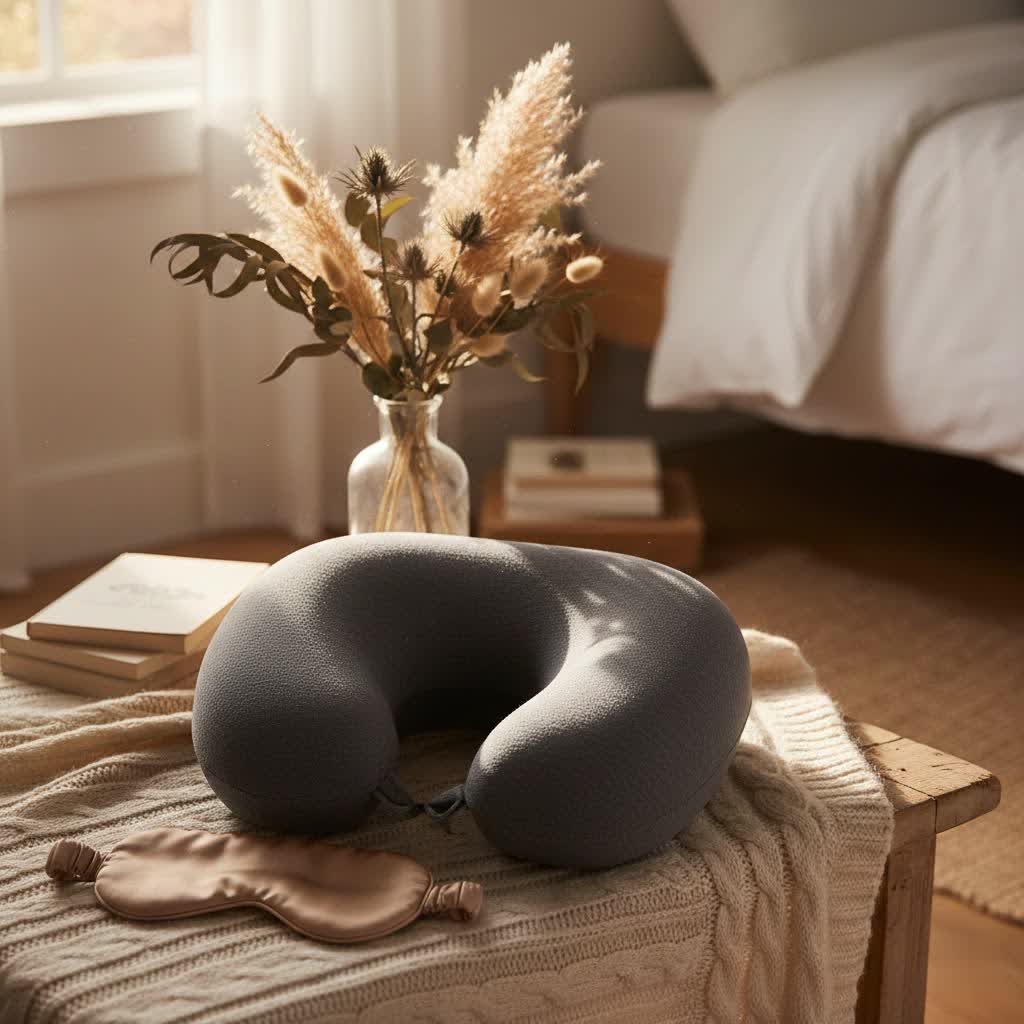
Why You Need a Travel Neck Pillow for Long Flights
When embarking on a lengthy journey, especially across time zones, the importance of quality rest cannot be overstated. A good travel neck pillow is an essential tool for mitigating the physical strain of sitting upright for hours on end. Unlike regular pillows designed for lying flat, travel pillows are specifically engineered to provide crucial support to your neck and head in a seated position, maintaining proper spinal alignment and preventing the dreaded “head bob.” This specialized support can significantly reduce muscle tension, prevent discomfort, and allow for restorative sleep, ensuring you start your trip energized rather than recovering from fatigue.
Types of Travel Neck Pillows for Optimal Comfort
The market for travel pillows has evolved far beyond the basic U-shaped design, offering a variety of shapes and materials tailored to different needs and sleeping styles. Understanding the distinctions is key to finding your perfect fit.
U-Shaped Pillows
The classic U-shaped pillow wraps around the neck, offering cushioning for the sides and back of the head.
- Pros: Familiar design, widely available. Many modern U-shaped pillows, like the Cabeau Evolution S3, feature thinner backs to prevent pushing the head forward and raised side supports to limit wobbling.
- Cons: Can be bulky, and traditional designs may lack adequate front support, allowing the head to fall forward.
- Common Materials: Memory foam (for contouring support), microbeads (lightweight, flexible but less supportive), or inflatable (compact, but can be stiff).
- Best for: Backward sleepers who lean their head against the seat back and need side support.
|
Our Picks for the Best Travel Pillow in 2026
As an Amazon Associate I earn from qualifying purchases.
|
||
| Num | Product | Action |
|---|---|---|
| 1 | napfun Neck Pillow for Traveling, Upgraded Travel Neck Pillow for Airplane 100% Pure Memory Foam Travel Pillow for Flight Headrest Sleep, Portable Plane Accessories, Light Grey |

|
| 2 | FlyHugz® Neck Travel Pillow - Memory Foam Neck Pillow for Comfort on Airplane - Compact and Ergonomic Design for Travel, Car Rides, and Home Use - Ideal for Adults and Kids |
|
| 3 | Dot&Dot Twist Memory Foam Travel Pillow for Airplanes - Travel Neck Pillow for Sleeping - Airplane Pillow for Neck Support, Chin, Lumbar and Leg - Adjustable, Bendable Neck Roll Pillow |
|
| 4 | SAIREIDER Travel Pillow 100% Pure Memory Foam Travel Neck Pillow, Airplane Pillow for Traveling、Car、Home、Office,Washable Cover(Black) |
|
| 5 | SZXYX Travel Pillows - 100% Pure Memory Foam Neck Pillow for Airplanes, Comfortable Breathable Cover, 360° Support Stowable Pillows for Sleeping, Car, Airport Travel Essentials Dark Grey |
|
| 6 | Cabeau Airplane Travel Pillow for Long Flights - Evolution S3 - Supportive Memory Foam with Seat Straps to Secure Your Head and Neck and Provides 360° Support (Jet Black) |
|
| 7 | SAIREIDER Travel Pillows for Sleeping Airplane 100% Pure Memory Foam Neck Pillow for Airplanes Washable Cover(Grey) |
|
| 8 | Adjustable Car Seat Lumbar Support Pillow Dual Straps Memory Foam Lower Back Waist Support Cushion with Convex Point Design Removable Cover for Vehicle SUVs Driving Travel Accessories Office Chair |
|
| 9 | Ormark Travel Pillows for Airplanes, 2026 New Travel Pillow with Eye Mask & Ear Plugs, Travel Neck Pillow Airplane 100% Memory Foam 360 Degree Support Stowable Pillows(Gray) |
|
| 10 | Travel and Camping Pillow- Compressible Medium Firm Memory Foam Pillow with Carry Bag for Backpacking & Airplane, Lumbar Support. Breathable Cooling Fabric, Washable Pillowcase (Wathet Blue) |
|
Wrap-Around and 360-Degree Support Pillows
These innovative designs aim to provide comprehensive support around the entire neck, often with adjustable closures.
- Pros: Excellent at preventing head bobbing in all directions, offering superior stability for upright sleeping. Brands like the Bcozzy and AYHome offer flexible, overlapping designs that allow for adjustable support heights and snug fits. The Cabeau Evolution X incorporates solid side braces for even firmer support.
- Cons: Can feel warm or restrictive, especially if wrapped tightly. Some designs, particularly those with rigid internal structures like the Trtl, might require adjustment to avoid obstructing breathing or feeling too firm on the cheeks.
- Best for: Travelers seeking maximum stability and support to prevent any head movement during sleep, regardless of their sleeping position.
J-Pillow
The J-Pillow features a unique shape with an extended arm that cradles the chin, providing critical forward support.
- Pros: Exceptional chin support helps prevent the head from dropping forward, a common issue on planes. It’s often plush and comfortable, especially beneficial in window seats where you can lean into it.
- Cons: Can be less effective in middle or aisle seats without a surface to lean against. Its unusual shape can make it somewhat inconvenient to pack.
- Best for: Travelers prone to their head falling forward, particularly effective for window seat sleepers.
Inflatable Pillows
Designed for ultimate portability, these pillows can be deflated and packed into tiny spaces.
- Pros: Extremely compact and lightweight, making them ideal for minimalist travelers or those with limited carry-on space. Many offer adjustable firmness by controlling the amount of air.
- Cons: Can be less comfortable than foam-based options, often feeling stiff or lacking the contoured support of memory foam. Some may have less soft exterior fabrics.
- Best for: Travelers prioritizing packability and adjustability over plush comfort, or those who aren’t sure if they’ll use a pillow on every trip.
Microbead Pillows
These pillows are filled with tiny polystyrene beads that conform somewhat to the neck.
- Pros: Lightweight and offer a soft, malleable feel. They can adjust to natural curves to some extent.
- Cons: Generally lack firm support and can lose their shape easily. They don’t compress well, making them bulky for packing. The quantity of material can sometimes push the head forward.
- Best for: Those who prefer a very soft, conforming pillow and don’t require rigid neck support, often a more budget-friendly option.
Comparison Table: Travel Pillow Types
| Feature | U-Shaped Pillow | Wrap-Around / 360° Pillow | J-Pillow | Inflatable Pillow | Microbead Pillow |
|---|---|---|---|---|---|
| Pros | Familiar, good side support | Excellent all-around stability, prevents head bobbing | Great chin/forward support, plush | Highly portable, adjustable firmness | Lightweight, soft, malleable |
| Cons | Can be bulky, lacks front support, may push head forward | Can be warm/restrictive, some designs feel rigid | Less versatile, can be bulky to pack | Stiffer, less contouring, less plush | Lacks firm support, bulky to pack, can push head forward |
| Primary Support | Sides, back | Front, sides, back (360°) | Chin, front, side | Variable (depending on design), usually side/front | Gentle cushioning |
| Material | Memory foam, microbeads, polyester | Memory foam, plastic brace, polyester | Polyester fiberfill | PVC + air fill, polyester cover | Polystyrene microbeads |
| Packability | Moderate (some compress) | Moderate (some compress well, others less so) | Poor (awkward shape) | Excellent (very compact when deflated) | Poor (does not compress) |
| Target User | Backward sleepers, general use | All sleepers, especially those needing maximum stability | Forward sleepers, window seat users | Minimalist travelers, occasional users | Budget-conscious, soft pillow preference |
How to Choose the Best Travel Neck Pillow for Your Long Flight
Selecting the ideal travel pillow requires a personalized approach, considering various factors beyond just its shape.
Material Matters for Comfort and Support
The material of your travel pillow directly impacts its comfort, support, and durability.
- Memory Foam: Highly recommended for its ability to contour precisely to your head and neck, providing customized support and relieving pressure points. It retains its form over time and often offers a comfortable, cushioned feel. Look for thermo-regulated memory foam for better heat management.
- Polyester Fill/Fleece: Often found in plush, soft pillows like the Bcozzy or J-Pillow. These can offer excellent cushioning and a cozy feel, but the level of support varies depending on the density of the fill. They are often machine washable.
- Inflatable (PVC/Polyester): While unmatched in portability, inflatable pillows can be stiffer and may not conform as well as memory foam. A soft exterior cover can improve comfort, but the internal air bladder dictates the firmness.
- Microbeads: Offer a lightweight and somewhat conforming experience but typically lack the firm support needed for long-haul flights. They are often found in cheaper, less durable options.
When choosing, prioritize breathable materials and washable covers to ensure hygiene and prevent discomfort from sweat during long journeys.
Size, Weight, and Portability: Travel-Friendly Design
A great travel pillow should offer robust support without becoming a burden.
- Compactness: Consider how small the pillow packs down. Memory foam options often compress into a small travel bag, while inflatable pillows become incredibly tiny when deflated.
- Weight: Lighter pillows are always preferable, especially when every ounce in your carry-on counts.
- Attachment Options: Many pillows come with snap straps or clips to attach them to luggage, freeing up valuable bag space.
- Overall Footprint: Even if a pillow compresses, its overall size and shape when in use should be comfortable without feeling cumbersome in a cramped airplane seat.
Optimal Support for Spinal Alignment
The primary function of a travel pillow is to maintain a neutral spine position, preventing your head from tilting forward or to the side, which leads to pain and stiffness.
- 360-Degree Support: Look for pillows that offer robust support around the entire circumference of your neck. Designs with adjustable fasteners or overlapping sections can create a snug fit that cradles your head from all angles.
- Forward Head Drop Prevention: If you tend to fall forward while sleeping, prioritize pillows with chin support or wrap-around designs that secure the head in place.
- Side Support: High side supports are crucial for preventing lateral head movement. Some U-shaped pillows excel here, especially for taller individuals.
- Back Design: A thinner back section on U-shaped pillows prevents your head from being pushed uncomfortably forward by the seat back.
Durability and Hygiene for Frequent Flyers
Investing in a high-quality pillow means it will withstand the rigors of frequent travel.
- Construction Quality: Check for strong stitching, durable materials, and reliable fasteners (zippers, Velcro, clasps).
- Washable Covers: Removable, machine-washable covers are a non-negotiable for hygiene, especially for a product that will be in close contact with your face and hair in various environments. Some entire pillows are machine washable.
- Brand Reputation: Trusted brands often indicate a commitment to quality and customer satisfaction.
Price: Investing in Rest
Travel pillow prices vary widely, from budget-friendly microbead options to premium memory foam designs.
- Value vs. Cost: While inexpensive pillows might seem appealing, a higher price often correlates with superior materials, ergonomic design, and durability. For frequent long-haul travelers, investing in a quality pillow that provides genuine comfort and support is a worthwhile expenditure.
- Feature Set: Evaluate if the pillow’s features (e.g., advanced materials, adjustability, portability) justify its price point.
Top Travel Neck Pillows for Long Flights
Based on extensive testing and user feedback, here are some of the most highly-regarded travel neck pillows designed to enhance your long-haul flight experience.
1. Cabeau Evolution S3/X
The Cabeau Evolution series, particularly the S3 and X models, are consistently praised for their superior neck support and comfort. Made from responsive memory foam with high sides and an adjustable front clasp, they offer near 360-degree support that effectively prevents head wobbling. The S3 features a thinner back to prevent head-pushing, while the X incorporates solid side braces for even firmer stability. They are particularly well-suited for taller individuals or those with longer necks and come with a compression bag for easy packing. The covers are removable and machine washable.
2. Bcozzy Travel Pillow
A top pick for its flexible and plush design, the Bcozzy offers comprehensive 360-degree head and neck support. Its unique overlapping coil design allows for adjustable support heights, catering to different neck lengths and sleeping preferences. The soft polyester fill provides ample cushioning, and the pillow is fully machine washable. The Bcozzy effectively prevents the head from dropping forward or to the side and is praised for its versatility and comfort across various sleeping positions, making it suitable for both adults and children.
3. Trtl Travel Pillow
The Trtl pillow stands out with its innovative, scarf-like design featuring a hidden internal plastic support structure. This unique brace provides firm, stable support to one side of the neck, effectively eliminating head-lolling. While it offers a very structured feel and can be positioned for side or front support, some users may find it takes getting used to, and it can feel warm or restrictive if wrapped too tightly. It’s lightweight and folds flat, making it relatively easy to pack, though the internal brace limits its compressibility compared to some.
Tips for Using and Maintaining Your Travel Pillow
To maximize the benefits and lifespan of your travel neck pillow, consider these practical tips:
- Adjust for Optimal Fit: Take time to adjust your pillow’s straps or shape to find the most comfortable and supportive fit for your unique neck and head position. What works for a window seat might differ from an aisle or middle seat. Some pillows, like the HEST Pro Travel Pillow, even offer multiple sleep modes.
- Clean Regularly: Always check the care instructions. Many pillows have removable, machine-washable covers, which should be cleaned frequently to maintain hygiene. For pillows that are entirely washable, follow the manufacturer’s guidelines carefully.
- Proper Storage: When not in use, store your travel pillow properly. For memory foam pillows, unrolling them at home rather than keeping them compressed can help maintain their shape and resilience over time. Utilize any included compression bags or clips to keep your pillow compact and protected during transit.
“A quality travel pillow isn’t just about cushioning; it’s about engineering specific support to keep your cervical spine in a neutral alignment, which is paramount for preventing pain and truly resting on long journeys.” – Dr. Jason Alviene, Chiropractor
Conclusion
Choosing the best travel neck pillow for long flights is a small decision that can have a monumental impact on your travel experience. From the supportive embrace of memory foam to the innovative designs that prevent head bobbing, the right pillow can transform grueling hours in the air into an opportunity for restorative rest. By considering material, support, portability, and personal sleeping preferences, you can find a pillow that not only alleviates discomfort but also ensures you arrive at your destination feeling refreshed and ready for adventure. Don’t let neck pain be a part of your journey – invest in your comfort and discover the perfect travel companion. What features are most important to you in a travel pillow for your next long flight?
Frequently Asked Questions
What is the most important feature of a travel neck pillow for long flights?
The most important feature is the ability to provide ergonomic neck and head support that keeps your spine in a neutral alignment, preventing your head from falling forward or to the side. This specialized support minimizes muscle strain and allows for comfortable, upright sleep, which is critical during extended travel.
Are memory foam or inflatable travel pillows better for long flights?
Memory foam pillows generally offer superior comfort and adaptive support as they contour to your neck and head, maintaining their shape over time. Inflatable pillows, while excellent for portability and adjustable firmness, can often feel stiffer and less plush. For maximum comfort on long flights, memory foam is often preferred unless extreme compactness is the top priority.
How do I prevent my head from falling forward when sleeping on a plane?
To prevent your head from falling forward, look for travel pillows with specific features like chin support (e.g., J-Pillow), wrap-around designs with adjustable fasteners (e.g., Bcozzy, Cabeau Evolution S3), or internal support structures like the Trtl that create a brace for your head. These designs provide comprehensive support that keeps your head secure in an upright position.
Can travel pillows be used by children?
Yes, many travel pillows are suitable for children, and some brands, like the Bcozzy, even offer specific kid-sized options. When choosing for a child, ensure the pillow provides adequate support without being too large or restrictive, and that the materials are comfortable and easy to clean.
How do I clean my travel neck pillow?
Cleaning instructions vary by pillow type. Most memory foam pillows have removable, machine-washable covers that should be cleaned regularly. Pillows with polyester fill or microbeads may be entirely machine washable. Always check the manufacturer’s care label to ensure proper cleaning and maintenance without damaging the pillow.
