Long journeys, whether by plane, train, or car, often come with an unwelcome companion: discomfort. Trying to snatch some rest in an upright position can lead to a stiff neck, aching shoulders, and overall fatigue, transforming what should be an exciting start or relaxing end to a trip into a painful ordeal. This is where a high-quality travel neck pillow becomes an indispensable companion. Far from being a luxury, the right travel neck pillow is a strategic investment in your comfort and well-being, designed to provide the support needed for restful sleep on the go. This comprehensive guide will navigate you through the world of travel neck pillows, helping you understand their benefits, explore the various types, and equip you with the knowledge to select the ideal one for your next adventure.
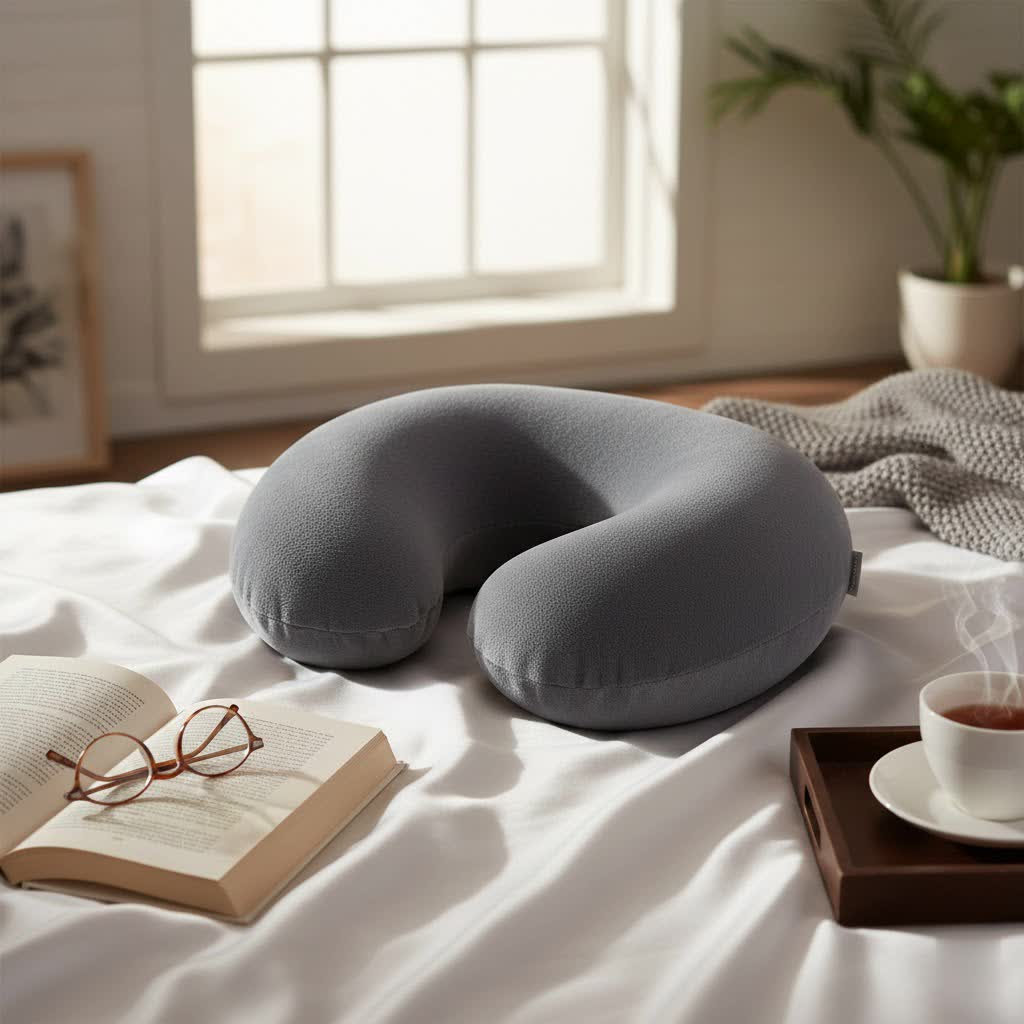
Why You Need a Travel Neck Pillow?
|
Our Picks for the Best Travel Pillow in 2026
As an Amazon Associate I earn from qualifying purchases.
|
||
| Num | Product | Action |
|---|---|---|
| 1 | Dot&Dot Twist Memory Foam Travel Pillow for Airplanes - Travel Neck Pillow for Sleeping - Airplane Pillow for Neck Support, Chin, Lumbar and Leg - Adjustable, Bendable Neck Roll Pillow |

|
| 2 | SZXYX Travel Pillows - 100% Pure Memory Foam Neck Pillow for Airplanes, Comfortable Breathable Cover, 360° Support Stowable Pillows for Sleeping, Car, Airport Travel Essentials Dark Grey |
|
| 3 | SAIREIDER Travel Pillow 100% Pure Memory Foam Travel Neck Pillow, Airplane Pillow for Traveling、Car、Home、Office,Washable Cover(Black) |
|
| 4 | SAIREIDER Travel Pillows for Sleeping Airplane 100% Pure Memory Foam Neck Pillow for Airplanes Washable Cover(Grey) |
|
| 5 | Ormark Travel Pillows for Airplanes, 2026 New Travel Pillow with Eye Mask & Ear Plugs, Travel Neck Pillow Airplane 100% Memory Foam 360 Degree Support Stowable Pillows(Gray) |
|
| 6 | Travel and Camping Pillow- Compressible Medium Firm Memory Foam Pillow with Carry Bag for Backpacking & Airplane, Lumbar Support. Breathable Cooling Fabric, Washable Pillowcase (Wathet Blue) |
|
| 7 | FlyHugz® Neck Travel Pillow - Memory Foam Neck Pillow for Comfort on Airplane - Compact and Ergonomic Design for Travel, Car Rides, and Home Use - Ideal for Adults and Kids |
|
| 8 | napfun Neck Pillow for Traveling, Upgraded Travel Neck Pillow for Airplane 100% Pure Memory Foam Travel Pillow for Flight Headrest Sleep, Portable Plane Accessories, Light Grey |
|
| 9 | Adjustable Car Seat Lumbar Support Pillow Dual Straps Memory Foam Lower Back Waist Support Cushion with Convex Point Design Removable Cover for Vehicle SUVs Driving Travel Accessories Office Chair |
|
| 10 | Cabeau Airplane Travel Pillow for Long Flights - Evolution S3 - Supportive Memory Foam with Seat Straps to Secure Your Head and Neck and Provides 360° Support (Jet Black) |
|
The importance of quality sleep cannot be overstated, especially when traveling. Jet lag, long hours of sitting, and unfamiliar environments can disrupt your sleep cycle, impacting your mood and energy levels. Unlike regular bed pillows, travel neck pillows are specifically engineered to support your head and neck in an upright or reclined seated position, which is crucial when you can’t lie down.
Beyond immediate comfort, travel neck pillows offer significant health benefits. They are designed to prevent the common issue of your head flopping forward or to the side, which can cause severe neck and jaw pain. By maintaining proper spinal alignment, a good travel pillow reduces strain on your neck and shoulders, helping to alleviate fatigue. Some designs can even help reduce snoring by keeping airways open. Ultimately, a travel neck pillow allows you to relax more deeply, improving your chances of arriving at your destination feeling refreshed and ready.
Popular Types of Travel Neck Pillows
The market for travel neck pillows is diverse, offering a range of designs and materials to suit different preferences and travel styles. Understanding the characteristics of each type is key to making an informed choice.
-
U-shaped Pillows:
- Pros: The most classic and recognizable design, offering fundamental support for the sides and back of the neck. Many are filled with memory foam for superior comfort and contouring.
- Cons: Some designs, especially those with thicker backs, can push the head forward, leading to discomfort. Less effective if your head tends to fall forward significantly.
- Materials: Commonly made with memory foam, microbeads, or inflatable bladders, often covered in soft, breathable fabrics like polyester or velvet.
- Ideal Users: Those who prefer a traditional feel and primarily need lateral neck support, especially when leaning against a window or seatback.
-
Rectangular Pillows:
- Pros: Highly versatile, these pillows can be used in various ways – squished against a window, cradled in your lap, or even as lumbar support. Their simple shape makes them adaptable.
- Cons: Typically offer less direct and targeted neck support compared to U-shaped or wrap-around designs, which might not be enough for those prone to severe neck pain.
- When to Choose: Best for travelers who prioritize flexibility and prefer a more conventional pillow feel, especially if they have a window seat or enjoy shifting positions frequently.
-
Inflatable Pillows:
- Pros: Exceptionally compact and lightweight when deflated, making them ideal for minimalist packers or those with limited luggage space. You can adjust the firmness by controlling the air level.
- Cons: Can be less comfortable and plush than foam or microbead options, and the material may not feel as soft against the skin. Durability can be a concern if punctures occur.
- Usage and Care: Easy to inflate and deflate. Care typically involves wiping down the surface, and some may have removable, washable covers.
-
Microbead Pillows:
- Pros: Filled with tiny polystyrene beads, these pillows are soft, pliable, and conform well to the shape of your neck. They often allow for good airflow, preventing heat buildup.
- Cons: Can be bulky and don’t typically compress much, taking up more space. The support level is generally softer and less firm than memory foam, which might not suit everyone.
- Considerations: Look for designs with a durable cover and strong seams to prevent bead leakage.
-
Wrap-around/Scarf-style Pillows (e.g., Trtl):
- Pros: These innovative designs often feature an internal support system wrapped in a soft fabric, providing robust support without the bulk of a traditional U-shape. They are typically lightweight and easy to pack.
- Cons: The wrap-around design might feel somewhat restrictive or claustrophobic for some users. Adjusting to the unique feel might take some getting used to.
- Ideal Users: Those seeking strong, consistent head and neck support in a compact form factor, particularly for long-haul flights where head bobbing is a major concern.
Comparison Table of Travel Neck Pillows
| Feature | U-shaped Pillow | Rectangular Pillow | Inflatable Pillow | Microbead Pillow |
|---|---|---|---|---|
| Pros | Classic comfort, good lateral support | Versatile, multi-purpose, adaptable | Highly portable, adjustable firmness | Soft, conforming, breathable |
| Cons | Can push head forward, less compact | Less direct neck support | Less plush, durability concerns | Bulky, softer support, less compressible |
| Materials | Memory foam, microbeads, cotton | Cotton, foam, down | PVC, fabric exterior | Polystyrene microbeads, fabric |
| Ideal for | General travel, leaning to the side | Flexible users, window seats | Minimalist packers, budget-conscious | Soft support, heat-sensitive users |
How to Choose the Right Travel Neck Pillow
Selecting the perfect travel neck pillow involves considering several factors tailored to your individual needs and travel habits.
-
Material:
- Memory Foam: Offers excellent support, molds to your unique contours, and maintains its shape over time. It’s often highly durable and good for consistent support. Many memory foam pillows are designed with breathable covers to mitigate heat retention.
- Microbeads: Provides a softer, more pliable feel and good airflow, making them a good choice if you tend to get warm. However, the support is less firm.
- Inflatable: Prioritize these if compactness and adjustable firmness are your main concerns. Look for models with comfortable outer fabrics.
- Always prioritize materials that are breathable and have removable, machine-washable covers for hygiene and longevity.
-
Size and Weight:
- Consider your posture and typical sleeping position while traveling. A pillow that’s too small won’t offer adequate support, while one that’s too bulky can be uncomfortable and inconvenient to carry.
- Opt for lightweight options that won’t add unnecessary bulk to your carry-on. Pay attention to how easily the pillow compresses, folds, or deflates for storage, as packability is crucial for seamless travel.
-
Support Level:
- The primary function of a travel neck pillow is to provide ample support for your head, neck, and chin, preventing strain and discomfort.
- Test the pillow’s firmness and height to ensure it keeps your head aligned with your spine without pushing it too far forward or allowing it to fall to the side. Look for features like raised sides, chin support, or adjustable straps for a secure fit.
-
Durability:
- A travel pillow should withstand frequent use and the rigors of travel. Check the quality of the stitching, zippers, and overall construction.
- Investing in a pillow from a reputable brand with positive user reviews often ensures better durability and a longer lifespan.
-
Price:
- Travel neck pillows range from budget-friendly options to high-end, feature-rich models. While cheaper pillows might seem appealing, remember that investing in a quality pillow can significantly enhance your travel comfort and prevent potential neck pain.
- Consider the pillow’s features, material, and expected lifespan when evaluating its value for money.
Tips for Using and Caring for Your Travel Neck Pillow
To maximize the lifespan and effectiveness of your travel neck pillow, proper usage and maintenance are essential.
- Cleaning: Most travel pillows come with removable, washable covers. Always check the care label for specific washing instructions. For pillows without removable covers, spot cleaning with a mild detergent and air-drying is usually recommended. Regular cleaning helps maintain hygiene and freshness, especially after long journeys.
- Storage: When not in use, store your pillow in its original carrying pouch or a clean, dry place away from direct sunlight and extreme temperatures. For inflatable pillows, ensure they are fully deflated before storage. This prevents damage and helps the pillow maintain its shape and material integrity.
- Usage:
- On a Plane: Adjust the pillow to fit snugly around your neck. Many U-shaped pillows can be rotated 180 degrees to provide better chin support if your head tends to fall forward. Some pillows include straps to attach to the seat headrest for added stability.
- In a Car: Use the pillow to support your neck against the headrest, preventing your head from tilting awkwardly during sudden stops or turns.
- On a Train/Bus: Similar to planes, position the pillow to offer comprehensive support, allowing you to lean comfortably and rest without strain.
“A well-chosen travel neck pillow is more than just an accessory; it’s a passport to comfortable, pain-free journeys. It transforms cramped spaces into personal comfort zones.”
Conclusion
Embarking on a journey should be an exciting experience, not a test of endurance against discomfort. By understanding the diverse world of travel neck pillows – from the supportive embrace of memory foam to the portable convenience of inflatable designs – you can make an informed decision that truly elevates your travel comfort. Prioritizing factors like material, support, portability, and durability ensures you select a pillow that aligns perfectly with your individual needs. Investing in a quality travel neck pillow means saying goodbye to stiff necks and hello to restful sleep, allowing you to arrive at your destination feeling refreshed and ready for anything. So, as you plan your next adventure, don’t underestimate the power of this small yet mighty travel essential. What’s your go-to travel comfort essential that you can’t leave home without?
Frequently Asked Questions
Why do I need a neck pillow for travel?
A travel neck pillow provides crucial support for your head and neck when sitting upright, preventing pain, stiffness, and discomfort often associated with long journeys. It helps maintain proper spinal alignment and allows for more restful sleep in otherwise uncomfortable seating.
What’s the best material for a travel neck pillow?
The “best” material depends on personal preference. Memory foam offers excellent contouring and firm support, while microbeads provide a softer, more pliable feel with good airflow. Inflatable pillows are ideal for portability and adjustable firmness. Consider breathability and washability for any material choice.
How do I clean my travel neck pillow?
Most travel neck pillows feature removable, machine-washable covers. Always check the specific care instructions on the product label. For pillows without removable covers, spot cleaning with a gentle detergent and thorough air-drying is generally recommended to maintain hygiene and prevent damage.
Can travel pillows help with snoring?
Yes, some travel pillows, particularly those designed to provide optimal chin and neck support, can help keep your airways more open while sleeping upright. This proper alignment can reduce instances of snoring for some individuals, contributing to a more peaceful journey for everyone.
Are inflatable travel pillows comfortable?
Inflatable travel pillows can be quite comfortable, especially for travelers who prioritize portability and customizable firmness. While they may not offer the same plushness as memory foam, their ability to be adjusted to your desired level of support allows many users to find a comfortable resting position.
