Long flights, with their cramped spaces and upright seating, often transform what should be an exciting start to an adventure into a test of endurance. Neck pain, stiff shoulders, and interrupted sleep are common complaints, turning dream vacations into weary arrivals. While many travelers grab a generic neck pillow at the airport, often these bulky, unsupportive options fail to deliver on comfort. The key to transforming your in-flight experience lies in choosing a travel pillow that perfectly aligns with your unique needs and preferred sleeping position. This comprehensive guide will help you navigate the crowded market, understand the different types, and select the ideal travel companion to ensure restful sleep on your next plane journey.
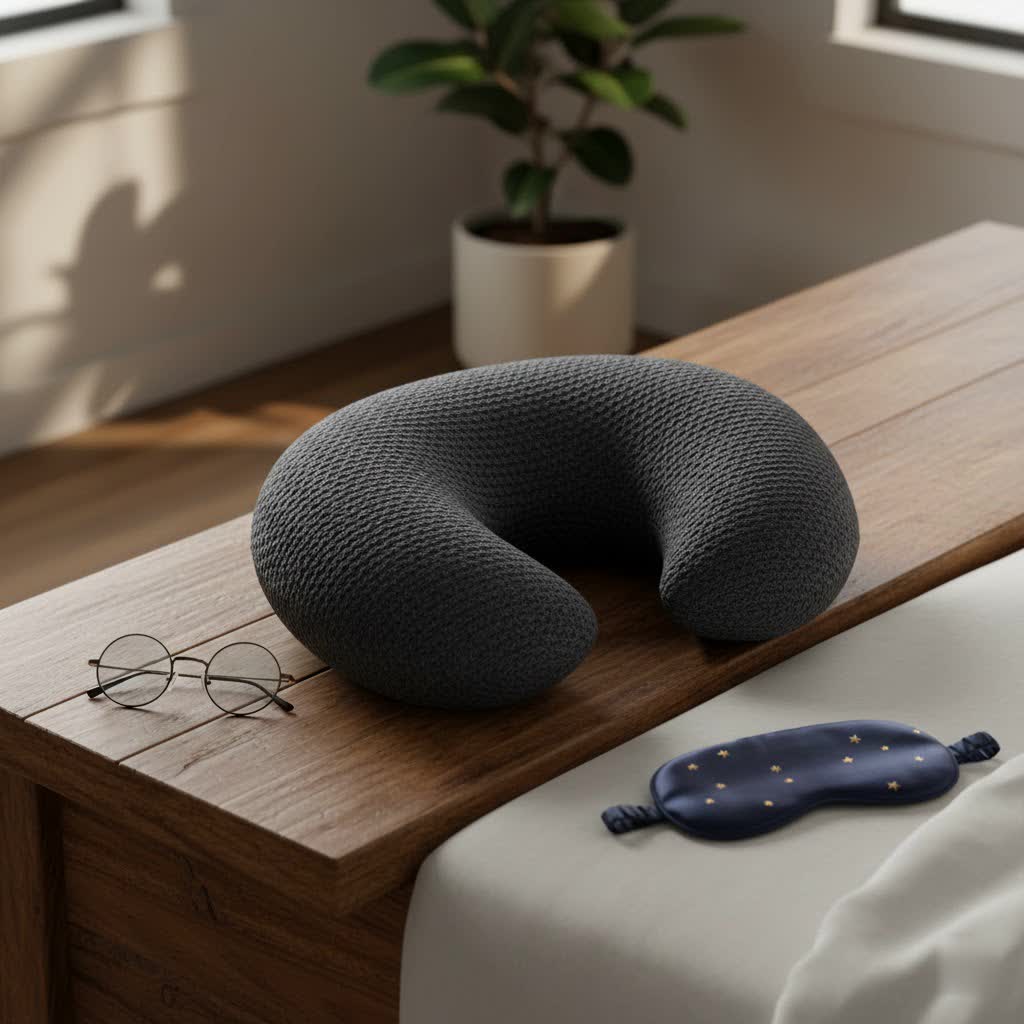
Why a Dedicated Travel Pillow is Essential for Your Flight
|
Our Picks for the Best Travel Pillow in 2026
As an Amazon Associate I earn from qualifying purchases.
|
||
| Num | Product | Action |
|---|---|---|
| 1 | Travel and Camping Pillow- Compressible Medium Firm Memory Foam Pillow with Carry Bag for Backpacking & Airplane, Lumbar Support. Breathable Cooling Fabric, Washable Pillowcase (Wathet Blue) |

|
| 2 | SAIREIDER Travel Pillows for Sleeping Airplane 100% Pure Memory Foam Neck Pillow for Airplanes Washable Cover(Grey) |
|
| 3 | Dot&Dot Twist Memory Foam Travel Pillow for Airplanes - Travel Neck Pillow for Sleeping - Airplane Pillow for Neck Support, Chin, Lumbar and Leg - Adjustable, Bendable Neck Roll Pillow |
|
| 4 | Cabeau Airplane Travel Pillow for Long Flights - Evolution S3 - Supportive Memory Foam with Seat Straps to Secure Your Head and Neck and Provides 360° Support (Jet Black) |
|
| 5 | SAIREIDER Travel Pillow 100% Pure Memory Foam Travel Neck Pillow, Airplane Pillow for Traveling、Car、Home、Office,Washable Cover(Black) |
|
| 6 | napfun Neck Pillow for Traveling, Upgraded Travel Neck Pillow for Airplane 100% Pure Memory Foam Travel Pillow for Flight Headrest Sleep, Portable Plane Accessories, Light Grey |
|
| 7 | FlyHugz® Neck Travel Pillow - Memory Foam Neck Pillow for Comfort on Airplane - Compact and Ergonomic Design for Travel, Car Rides, and Home Use - Ideal for Adults and Kids |
|
| 8 | Adjustable Car Seat Lumbar Support Pillow Dual Straps Memory Foam Lower Back Waist Support Cushion with Convex Point Design Removable Cover for Vehicle SUVs Driving Travel Accessories Office Chair |
|
| 9 | SZXYX Travel Pillows - 100% Pure Memory Foam Neck Pillow for Airplanes, Comfortable Breathable Cover, 360° Support Stowable Pillows for Sleeping, Car, Airport Travel Essentials Dark Grey |
|
| 10 | Ormark Travel Pillows for Airplanes, 2026 New Travel Pillow with Eye Mask & Ear Plugs, Travel Neck Pillow Airplane 100% Memory Foam 360 Degree Support Stowable Pillows(Gray) |
|
The importance of quality sleep cannot be overstated, especially when traveling across time zones. Disrupted sleep can exacerbate jet lag, impair concentration, and diminish your enjoyment upon arrival. This is where a dedicated travel pillow truly shines. Unlike your regular bed pillow, which is designed for horizontal sleeping, travel pillows are specifically engineered to provide crucial head and neck support in an upright or reclined position. They prevent your head from slumping forward or to the side, maintaining proper spinal alignment and reducing muscle strain. Beyond comfort, these ergonomic tools offer significant health benefits, mitigating the risk of neck stiffness, headaches, and overall fatigue, allowing you to arrive at your destination feeling refreshed and ready to explore.
Decoding the World of Travel Pillows: Popular Types
The market is brimming with diverse travel pillow designs, each offering unique advantages and catering to different preferences. Understanding these types is the first step toward finding your perfect match.
-
U-Shaped Pillows:
The most recognizable design, U-shaped pillows are ubiquitous in airports. They typically wrap around the back and sides of your neck, aiming to prevent your head from tilting sideways. Common materials include memory foam, microbeads, or polyester fiberfill. While convenient for general neck cushioning, many traditional U-shaped pillows can push the head uncomfortably forward, especially in seats with minimal recline, making them less effective for true head support during deep sleep. However, well-designed memory foam U-shaped pillows with a thinner back can offer better support without this forward push. -
Scarf-Style Pillows (e.g., Trtl Pillow):
These innovative pillows depart from the traditional U-shape, often featuring a hidden internal support structure wrapped in soft fabric, resembling a scarf. They provide firm, one-sided support that props your head up like a brace. Their compact design and ability to fold flat make them highly portable. While some users find their unique support system revolutionary for preventing head bobbing, others might find them warm or restrictive, especially if they tend to shift positions frequently. -
Inflatable Travel Pillows:
The champion of packability, inflatable pillows deflate to a tiny, lightweight package, making them ideal for minimalist travelers or those with limited carry-on space. They are typically made from PVC with a soft fabric cover and can be inflated to your desired firmness. While incredibly convenient for saving space, their air-filled nature can sometimes make them less plush and comfortable than foam alternatives, potentially feeling stiffer or less conforming to the neck’s contours. -
Rectangular/Contour Pillows:
Less common for direct in-flight neck support, these pillows are more akin to miniature versions of standard bed pillows. They can offer versatility if you primarily lean against a window or prefer a flatter surface. Some hybrid models may combine a foam core with an inflatable chamber, attempting to strike a balance between comfort and compactness. However, for active head-and-neck support in a middle or aisle seat, they are generally less effective than dedicated neck support designs. -
Specialty/Hybrid Pillows:
Innovations continue to emerge, offering designs like the Ostrichpillow Go with its 360-degree memory foam support or the flexible BCOZZY pillow that can be manipulated into various positions for customized comfort. These often focus on comprehensive support, enveloping the neck and chin to prevent forward slumping, and are gaining popularity for their enhanced ergonomic benefits.
Comparison Table: Finding Your Perfect Flight Companion
| Feature | U-Shaped Pillow (Memory Foam/Microbead) | Scarf-Style Pillow (e.g., Trtl) | Inflatable Pillow | Specialty/Hybrid Pillow (e.g., Ostrichpillow Go) |
|---|---|---|---|---|
| Pros | Familiar, decent lateral support, comfortable (memory foam) | Compact, strong one-sided support, portable | Extremely lightweight, highly packable, adjustable firmness | Comprehensive 360° support, ergonomic, often plush |
| Cons | Can push head forward, less versatile | Can be warm/restrictive, one-sided support | Less plush/soft than foam, may feel stiff, less durable | Can be bulky, higher price point |
| Materials | Memory foam, microbeads, polyester | Fleece wrap with internal plastic brace | PVC with soft fabric cover | High-density memory foam, plush fabric |
| Ideal User | Back sleepers, general cushioning | Side sleepers, those needing firm neck brace, minimalist travelers | Backpackers, budget-conscious, space-savers | Frequent flyers, those seeking maximum comfort and holistic support |
How to Select the Best Travel Pillow for Your Flight
Choosing the right travel pillow is a personal journey. Several key factors should guide your decision to ensure maximum comfort and support.
-
Material Matters:
The filling and cover material significantly impact comfort and performance. Memory foam is highly praised for its ability to contour to your unique neck and head shape, offering superior, personalized support and relieving pressure points. However, it can sometimes retain heat, which might be a concern for those who easily get warm. Look for memory foam pillows with breathable covers (e.g., viscose, moisture-wicking fabrics) to mitigate this. Microbead pillows offer a softer, more malleable feel that some find comfortable and cooler, but they may compress over time and provide less structured support. Inflatable pillows prioritize portability with their PVC core, but seek those with soft, removable covers (like micro-fleece) to enhance comfort against your skin. For individuals with sensitive skin, hypoallergenic and soft-touch fabrics are crucial to prevent irritation during prolonged contact. -
Size, Weight, and Portability:
A cumbersome pillow can be a deterrent to comfortable travel. Consider how the pillow packs down. Inflatable models are unbeatable for shrinking to a minimal size, ideal for tight carry-on limits. Many memory foam pillows come with compression straps or travel bags that significantly reduce their footprint, making them more manageable for air travel. The weight of the pillow also plays a role; prioritize lighter options that won’t add unnecessary bulk to your luggage. Always check the dimensions when compressed to ensure it fits your travel style. -
Support Level and Ergonomics:
The primary purpose of a travel pillow is to provide adequate support to prevent your head from falling forward or to the side, which can lead to discomfort and poor spinal alignment. Look for pillows that offer a firm yet comfortable cradle for your neck. Adjustable features, such as drawstrings or straps, are invaluable for customizing the fit and ensuring 360-degree support, effectively preventing your head from slumping in any direction. For forward-leaning sleepers, designs that offer chin support are crucial. Side-leaners against a window will benefit from pillows with robust lateral support. For back sleepers trying to rest in an upright seat, a thinner back section of a U-shaped pillow is preferable to avoid pushing the head too far forward, while thicker sides provide necessary elevation. -
Durability and Quality:
An investment in a good travel pillow should last for many journeys. Examine the construction quality, including stitching, fabric durability, and zipper strength (for removable covers). Reputable brands often use higher-density foams and robust materials. Reading user reviews can offer valuable insights into a pillow’s longevity and how it holds up to frequent use. -
Price Point:
Travel pillows range from budget-friendly to premium. While cheaper options may seem appealing, investing in a higher-quality pillow often translates to superior comfort, better support, and greater durability, providing better value in the long run. Consider your frequency of travel and the importance of in-flight sleep quality when determining your budget.
Top Travel Pillows for Uninterrupted Plane Sleep
Based on extensive testing and user feedback, several travel pillows consistently stand out for their ability to deliver comfort and support on plane journeys:
- Cabeau Evolution S3/Evolution X: These memory foam U-shaped pillows are often lauded for their superior ergonomic design and patented seat strap system that prevents your head from falling forward. They offer excellent 360-degree neck and chin support, making them a top choice for those needing firm, comprehensive cushioning, especially for taller individuals.
- Trtl Travel Pillow: This unique scarf-style pillow utilizes a hidden internal plastic support structure wrapped in soft fleece. It offers firm, one-sided support that can be positioned for optimal comfort, effectively preventing head roll. Its compact, lightweight, and flat-folding design makes it incredibly portable, appealing to minimalist travelers.
- Ostrichpillow Go Neck Pillow: Known for its luxurious feel, the Ostrichpillow Go features high-density memory foam that provides robust 360-degree support. Its plush, ergonomic design cradles the head and neck, offering exceptional comfort for those who prioritize a soft yet firm feel. It also comes with a convenient travel bag.
- BCOZZY Travel Pillow: This flexible, wrap-around pillow allows for versatile positioning, providing support from the front, side, or back. Its adaptable design means it can be adjusted to suit various sleeping styles and provide chin support, making it a good option for those who struggle with traditional U-shapes and seek customized comfort.
Essential Tips for Using and Maintaining Your Travel Pillow
To maximize the benefits and lifespan of your travel pillow, proper usage and diligent care are crucial.
- Proper Use: Always adjust your travel pillow to ensure a snug and supportive fit around your neck. If using a U-shaped pillow, ensure it doesn’t push your head too far forward; some models have a thinner back for this reason. For side sleepers, position the pillow to fill the gap between your head and shoulder. In window seats, you can lean against the window with the pillow providing extra cushioning. In aisle or middle seats, leverage pillows with 360-degree support or chin rests to prevent your head from slumping.
- Cleaning and Hygiene: Regular cleaning is paramount, especially given exposure to various environments during travel. If your pillow has a removable cover, always machine wash it on a gentle cycle with cold water and a mild detergent. Air drying or tumble drying on low heat is recommended. Memory foam inserts should never be machine washed; instead, spot clean them with a damp cloth and a small amount of mild soap, ensuring not to saturate the foam. Allow it to air dry completely in a well-ventilated area, away from direct sunlight, and avoid wringing or twisting. For microbead pillows that are machine washable, use a delicate cycle with cold water and always air dry to maintain their shape and integrity.
- Odor Removal and Storage: To combat lingering odors, a light sprinkle of baking soda left on the pillow for 15-30 minutes before gently shaking or vacuuming it off can be effective. Between trips, store your travel pillow in a breathable bag to keep it fresh and protect it from dust. Avoid compressing memory foam pillows for extended periods, as this can affect their shape and supportive properties.
Conclusion
Embarking on a long flight no longer needs to be synonymous with discomfort and restless nights. A high-quality travel pillow is an indispensable tool, transforming your journey into an opportunity for genuine rest and relaxation. By understanding the diverse types, considering key factors like material, support, and portability, and following proper care routines, you can make an informed choice that perfectly suits your travel needs. Investing in the right travel pillow is an investment in your well-being, ensuring you arrive at your destination refreshed, energized, and ready to embrace your adventure. So, what kind of comfort will you choose for your next sky-high journey?
Frequently Asked Questions
Are U-shaped pillows truly effective for plane sleep?
Traditional U-shaped pillows can provide some lateral cushioning, but many often push the head forward, leading to discomfort rather than support. For effective plane sleep, look for U-shaped pillows with a thinner back or those made of dense memory foam with ergonomic contours that prevent forward head movement, or consider alternative designs offering more comprehensive support.
How often should I clean my travel pillow?
For optimal hygiene, it’s recommended to wash your travel pillow’s removable cover after every trip. For the pillow insert itself (especially memory foam), spot cleaning and airing it out regularly, perhaps every 2-3 months or after a particularly long trip, will help maintain freshness and extend its lifespan.
Can a travel pillow help alleviate neck pain during flights?
Yes, a well-chosen travel pillow can significantly help prevent and alleviate neck pain by maintaining proper head and neck alignment while sleeping upright. Look for pillows that offer firm, ergonomic support to stabilize your cervical spine, reducing strain on muscles and joints.
What is the best material for a travel pillow on a plane?
Memory foam is often considered the best material for plane travel due to its superior contouring and supportive properties, conforming to your neck and head for personalized comfort. However, breathable covers are important to prevent heat buildup. Inflatable options excel in portability but may offer less plush comfort.
How can I pack a bulky memory foam travel pillow efficiently?
Many memory foam travel pillows come with compression bags or straps that significantly reduce their size for packing. Roll the pillow tightly into its designated bag, expelling as much air as possible. Alternatively, you can use it as extra padding or lumbar support inside your carry-on bag if space is tight.
