Long-haul flights and uncomfortable airplane seats often make restful sleep seem like an impossible dream, leading to stiff necks and groggy arrivals. A high-quality travel pillow for an airplane can transform your journey, offering essential neck support and allowing you to arrive at your destination refreshed and ready to explore. This comprehensive guide will navigate you through the world of travel pillows, helping you understand their benefits, various types, and how to select the perfect one to ensure peaceful slumber on your next flight.
Why You Need a Travel Pillow for Your Flight
The importance of sleep during travel cannot be overstated. A good night’s rest (or a good nap, at least) helps prevent the dreaded jet lag and maintains your overall well-being. Unlike your plush bed pillow, a travel pillow is specifically engineered to provide crucial support in an upright or semi-reclined position, counteracting the common issues of a bobbing head and strained neck during flights.
Travel pillows offer significant health benefits, primarily by maintaining proper spinal alignment. This prevents the awkward angles that can lead to discomfort, muscle stiffness, and headaches. By cradling your head and neck securely, a well-chosen travel pillow minimizes movement and allows your muscles to relax, paving the way for more restorative sleep, even in the most challenging environments of an airplane cabin.
Popular Types of Travel Pillows for Airplanes
The market offers a diverse range of travel pillows, each designed with unique features to cater to different sleeping preferences and needs. Understanding these types is the first step in finding your perfect travel companion.
U-shaped Pillows
|
Our Picks for the Best Travel Pillow in 2026
As an Amazon Associate I earn from qualifying purchases.
|
||
| Num | Product | Action |
|---|---|---|
| 1 | Cabeau Airplane Travel Pillow for Long Flights - Evolution S3 - Supportive Memory Foam with Seat Straps to Secure Your Head and Neck and Provides 360° Support (Jet Black) |

|
| 2 | SAIREIDER Travel Pillows for Sleeping Airplane 100% Pure Memory Foam Neck Pillow for Airplanes Washable Cover(Grey) |
|
| 3 | SAIREIDER Travel Pillow 100% Pure Memory Foam Travel Neck Pillow, Airplane Pillow for Traveling、Car、Home、Office,Washable Cover(Black) |
|
| 4 | Adjustable Car Seat Lumbar Support Pillow Dual Straps Memory Foam Lower Back Waist Support Cushion with Convex Point Design Removable Cover for Vehicle SUVs Driving Travel Accessories Office Chair |
|
| 5 | Travel and Camping Pillow- Compressible Medium Firm Memory Foam Pillow with Carry Bag for Backpacking & Airplane, Lumbar Support. Breathable Cooling Fabric, Washable Pillowcase (Wathet Blue) |
|
| 6 | FlyHugz® Neck Travel Pillow - Memory Foam Neck Pillow for Comfort on Airplane - Compact and Ergonomic Design for Travel, Car Rides, and Home Use - Ideal for Adults and Kids |
|
| 7 |
|
|
| 8 | napfun Neck Pillow for Traveling, Upgraded Travel Neck Pillow for Airplane 100% Pure Memory Foam Travel Pillow for Flight Headrest Sleep, Portable Plane Accessories, Light Grey |
|
| 9 | Ormark Travel Pillows for Airplanes, 2026 New Travel Pillow with Eye Mask & Ear Plugs, Travel Neck Pillow Airplane 100% Memory Foam 360 Degree Support Stowable Pillows(Gray) |
|
| 10 | SZXYX Travel Pillows - 100% Pure Memory Foam Neck Pillow for Airplanes, Comfortable Breathable Cover, 360° Support Stowable Pillows for Sleeping, Car, Airport Travel Essentials Dark Grey |
|
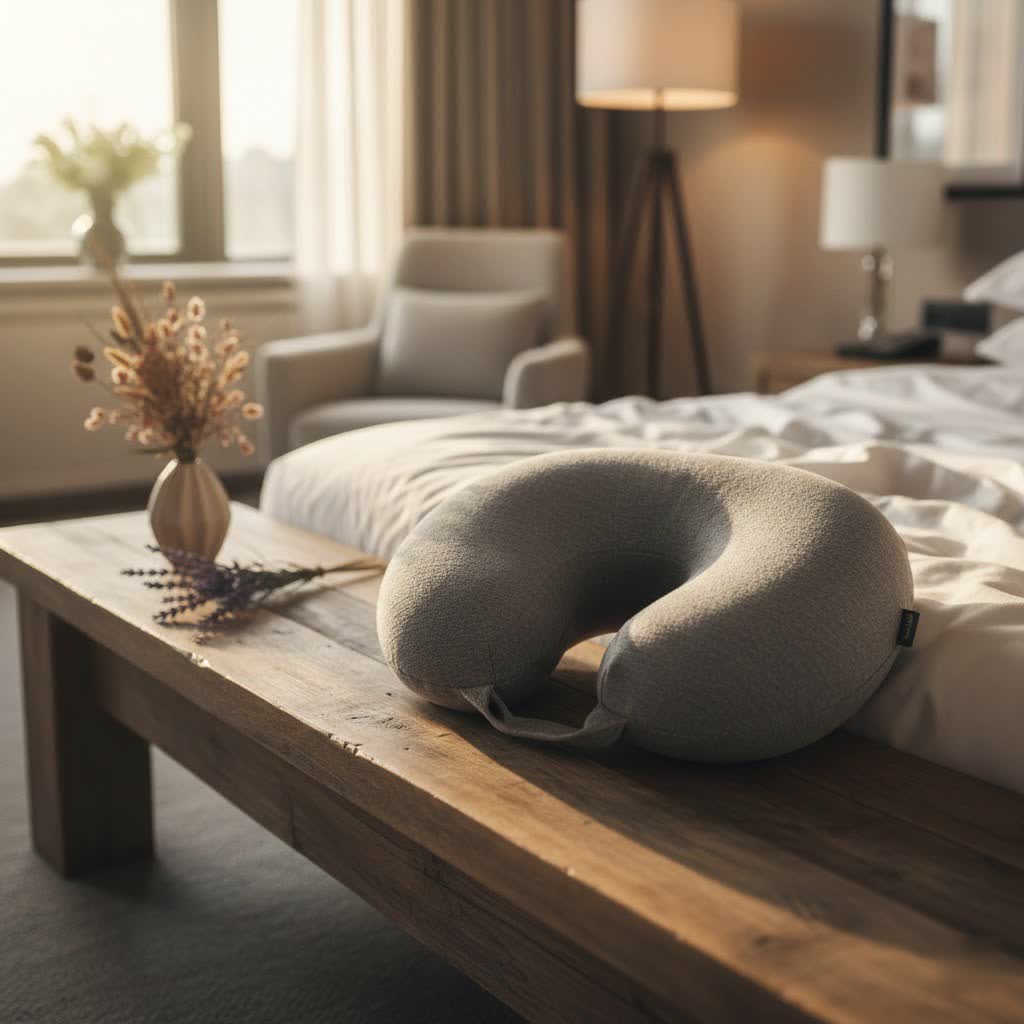
The classic U-shaped pillow is arguably the most recognizable travel pillow, designed to wrap around your neck and provide support to the sides and back of your head. These pillows are effective at preventing your head from tilting too far sideways, which is a common cause of neck strain during sleep. However, traditional U-shaped designs can sometimes push your head forward if they are too bulky at the back, especially against a headrest.
Common materials for U-shaped pillows include memory foam, which contours to your unique shape for personalized support; microbeads, offering a soft, malleable feel; and fiberfill or cotton, which are often lighter and more breathable. They are generally suitable for travelers who prefer moderate support and can adapt to leaning slightly backward.
Wrap-around and Scarf-style Pillows
Innovation has brought forth designs like the Trtl Travel Pillow, which departs from the traditional U-shape. These pillows often feature an internal support structure wrapped in soft fabric, acting more like a neck brace or a cozy scarf. They provide firm, often asymmetrical support to one side of the head and chin, effectively preventing forward head drops and significant lateral movement.
These scarf-style pillows are highly regarded for their effective support and often compact design, making them easy to pack. They appeal to travelers who struggle with traditional U-shaped pillows and need a more structured solution that holds the head securely in place.
Inflatable Travel Pillows
For the ultimate in portability, inflatable travel pillows are a popular choice. These pillows can deflate to a fraction of their size, easily fitting into small bags or even pockets. They are typically made from PVC or similar materials with a soft fabric covering. A key advantage is the ability to adjust firmness by controlling the amount of air, allowing for a customized level of support.
However, inflatable pillows generally offer less plush comfort than their foam counterparts and can sometimes feel stiff or noisy. They are an excellent option for minimalist travelers or those who only need occasional head support and prioritize space-saving above all else. Proper inflation is crucial to avoid a bouncy or unstable feel.
J-Pillow and Chin Support Pillows
Some unique designs focus specifically on chin and forward support. The J-Pillow, for instance, has a distinctive shape that cradles the chin and side of the head, offering comprehensive support that prevents your head from dropping forward. These designs are particularly beneficial for side sleepers or those who lean against a window, as they provide a stable surface to rest against.
These pillows often combine soft fillings with innovative shapes to maximize comfort and support for specific sleeping positions. While they might appear unconventional, their targeted support can be a game-changer for travelers who find traditional neck pillows insufficient for preventing forward head tilt.
Other Innovative Designs
Beyond the standard categories, the market continues to evolve with creative solutions. Some travel pillows, like the Sleeper Hold, feature seat-attachment straps that secure the pillow to the airplane headrest, effectively eliminating head bobbing. Others, such as the Pluto POD, incorporate hoodie-like designs with padded sides, built-in eye masks, and sensory-deprivation elements to create a more private and conducive sleep environment. These advanced designs often blend multiple features, targeting specific discomforts to provide a truly personalized experience.
Comparison Table of Travel Pillow Types
| Feature | U-shaped Pillow | Wrap-around/Scarf-style | Inflatable Pillow | J-Pillow/Chin Support |
|---|---|---|---|---|
| Pros | Familiar, decent side support | Excellent head/neck stability | Highly portable, adjustable firmness | Great chin/side support, versatile |
| Cons | Can push head forward, bulky | May feel restrictive, specific fit | Less plush comfort, less durable | Can be bulky, unconventional shape |
| Materials | Memory foam, microbeads, fiberfill | Fleece over internal support | PVC, fabric cover | Fiberfill, memory foam, fabric |
| Best For | General use, light sleepers | Strong support, avoiding head drops | Minimalist travelers, occasional use | Side sleepers, window seats |
| Portability | Moderate (can be bulky) | Good (often compacts well) | Excellent (deflates small) | Moderate (unique shape can be tricky) |
How to Choose the Perfect Airplane Travel Pillow
Selecting the ideal travel pillow requires considering several factors tailored to your individual preferences and travel habits. A thoughtful choice can significantly impact your comfort and sleep quality during your journey.
Material
The material of your travel pillow is paramount for both comfort and support. Memory foam is a popular choice due to its ability to contour to the unique shape of your neck and head, providing excellent pressure relief and firm support. However, some memory foam pillows can retain heat, which might be uncomfortable for those who tend to overheat. Look for memory foam with cooling gel or breathable covers.
Microbead or fiberfill pillows offer a softer, more malleable feel, which can be comfortable but may lack the firm support needed for complete neck stabilization. Inflatable pillows, usually made from PVC, are highly portable and allow for adjustable firmness, though they might not offer the plush comfort of foam. Consider breathable fabrics like moisture-wicking polyester or soft microfleece for covers, especially if you have sensitive skin or get warm easily.
Support and Ergonomics
The primary function of a travel pillow is to provide adequate support to prevent neck strain and maintain spinal alignment. Look for a pillow that prevents your head from falling too far forward or to the side. “The right travel pillow should essentially act as a gentle brace, keeping your cervical spine in a neutral position, much like when you’re sleeping in your own bed,” advises a sleep ergonomics expert. Pillows with a flatter back are often preferred as they don’t push your head uncomfortably forward against the seat. Designs that offer 360-degree support or robust side and chin cradling are excellent for ensuring stability throughout your sleep.
Consider your typical sleeping position on an airplane: Do you lean forward, to the side, or struggle to stay upright? Some pillows are designed for specific scenarios, like the J-Pillow for side sleepers or structured wrap-around pillows for preventing forward head slump.
Portability and Size
Airplane travel often comes with luggage restrictions, making portability a key factor. A good travel pillow should be easy to carry without adding significant bulk or weight. Many modern travel pillows are designed to compress into a small carrying pouch or can be easily attached to your luggage with a snap or clip. Inflatable pillows excel in this regard, deflating to minimal sizes.
Consider the dimensions when folded or compressed, and whether it will comfortably fit into your carry-on bag or attach to its exterior. Some pillows, while offering superior comfort, might be too bulky for minimalist travelers, so balance your need for support with your need for compact storage.
Comfort and Breathability
Comfort goes hand-in-hand with support. The pillow’s texture, softness, and ability to regulate temperature are crucial. A soft, gentle fabric cover can make a big difference in preventing skin irritation during long hours of use. Breathability is also important, as you don’t want to wake up with a sweaty neck. Look for pillows with ventilation, cooling technologies, or moisture-wicking fabrics.
Many premium travel pillows offer removable and machine-washable covers, which is a significant hygiene advantage. This ensures your pillow stays fresh and clean for every journey, reducing the accumulation of sweat and grime.
Durability and Quality
Investing in a durable travel pillow means it will withstand the rigors of frequent travel. Examine the quality of the stitching, zippers, and overall construction. Reputable brands often use high-density memory foam that retains its shape over time, or robust external fabrics that resist wear and tear. Reading user reviews can offer valuable insights into the real-world durability and longevity of a pillow. A high-quality pillow is an investment in countless comfortable journeys.
Your Travel Style
Your preferred airplane seat can influence your pillow choice. If you consistently book a window seat, a flatter, more traditional rectangular pillow or a J-pillow might work well, allowing you to lean against the cabin wall. For middle or aisle seats, where leaning space is limited, a U-shaped or wrap-around pillow that provides self-contained support is often more effective. “Choosing a pillow that complements your seat preference will maximize its effectiveness,” notes a seasoned flight attendant.
Consider whether you take mostly long-haul or short-haul flights. For shorter trips, portability might be prioritized, while for extended journeys, maximum comfort and robust support become critical.
Price vs. Value
Travel pillows range in price from budget-friendly options to premium models. While it’s tempting to opt for the cheapest pillow, remember that quality and design often correlate with price. A more expensive pillow might offer superior materials, better ergonomic design, and greater durability, ultimately providing better value over time through enhanced comfort and fewer painful flights. Consider it an investment in your well-being and productivity upon arrival.
Top Travel Pillows for Airplanes Today
While personal preference plays a significant role, several travel pillows consistently receive high praise for their design, comfort, and effectiveness on airplanes.
- Cabeau Evolution S3 Neck Pillow: Often lauded for its high-density memory foam and ergonomic design, the S3 provides excellent 360-degree support, particularly for individuals with longer necks. It features a flat back to prevent forward head push and includes straps that can attach to a seat for added stability.
- Trtl Travel Pillow: This unique scarf-style pillow utilizes an internal ribbed support structure, providing surprisingly firm and effective support to one side of the head and chin. It’s lightweight, folds compactly, and is a favorite among those who find traditional U-shapes ineffective.
- BCOZZY Travel Neck Pillow: Known for its flexibility, the BCOZZY allows users to wrap it in multiple ways to support the head from the front, side, or back. Its soft, fleece-like material offers comfort, making it adaptable to various sleeping positions and seat types.
- Ostrichpillow Go Neck Pillow: This pillow offers strong, wraparound memory foam support that compacts down into a small travel bag. Its ergonomic design cradles the neck effectively, providing a comfortable and secure fit for upright sleeping.
- Travelrest All-In-One Ultimate Travel Pillow: An inflatable option with a unique sling-like design, this pillow is worn over the shoulder and rests against your torso, providing support even in aisle or middle seats without a window to lean on. It’s highly portable and allows for adjustable firmness.
Tips for Using and Maintaining Your Airplane Travel Pillow
To get the most out of your travel pillow, proper usage and care are essential.
- Positioning is Key: Experiment with different positions to find what works best for your neck and the specific pillow type. For U-shaped pillows, sometimes wearing it backward (with the open part at the front) provides better chin support. For structured pillows like the Trtl, ensure the internal support aligns correctly with your jaw and shoulder.
- Adjust for Optimal Fit: If your pillow has adjustable straps or is inflatable, take the time to customize the fit. Tighten straps to secure memory foam pillows or adjust air levels in inflatable ones until you find the perfect balance of firmness and comfort.
- Keep it Clean: Many travel pillows come with removable, machine-washable covers. Always check the care label and wash the cover regularly, especially after long trips, to maintain hygiene. For pillows without removable covers, spot cleaning with a mild detergent is usually recommended. Allow it to air dry completely before storing.
- Store Properly: When not in use, store your travel pillow in its designated carrying pouch or a clean, dry place. Proper storage helps maintain the pillow’s shape, cleanliness, and longevity. Avoid leaving memory foam pillows compressed for extended periods if not designed for long-term compression.
Conclusion
Choosing the right travel pillow for your airplane journey is a small decision that can make a monumental difference in your travel experience. By understanding the various types, materials, and crucial features like support, portability, and comfort, you can select a pillow that transforms uncomfortable flights into opportunities for restful sleep. Investing in a high-quality travel pillow means bidding farewell to neck pain and arriving at your destination feeling energized and ready for adventure. So, what are you waiting for? Find your perfect travel pillow and elevate your in-flight comfort on every journey.
Frequently Asked Questions
What is the most comfortable travel pillow for long flights?
The most comfortable travel pillow often depends on personal preference and sleeping style. Memory foam U-shaped pillows like the Cabeau Evolution S3 or structured designs like the Trtl are frequently cited for their superior support and comfort on long journeys, effectively preventing head bobbing and neck strain.
Are inflatable travel pillows as good as memory foam?
Inflatable travel pillows excel in portability and adjustable firmness, deflating to a tiny size. However, they generally don’t offer the same plush, conforming comfort or consistent support as memory foam pillows, which contour to your neck and head for a more cushioned feel.
How do I stop my head from falling forward on a plane?
To prevent your head from falling forward, look for travel pillows designed with robust chin support or an internal structure that cradles your jaw, such as the J-Pillow or specific wrap-around styles like the Trtl. Pillows with seat attachment straps can also provide added stability.
