Ever found yourself on a long journey, head bobbing awkwardly, desperately trying to snatch a few moments of sleep? The quest for comfortable rest while traveling is a universal challenge, one that often leads to stiff necks and weary arrivals. This is where the unsung hero of travel—the travel pillow—steps in. But with countless options flooding the market, how do you discern the truly effective from the merely adequate? For many savvy travelers, turning to trusted product reviewers like Wirecutter provides clarity. With their rigorous testing and expert recommendations, Wirecutter helps cut through the noise, guiding you toward a travel pillow that genuinely enhances your journey. This guide delves into Wirecutter’s top picks, their unique testing methodology, and essential considerations to help you find the perfect travel pillow to transform your next adventure.
Why a Travel Pillow is Your Travel Essential
The importance of quality sleep cannot be overstated, especially when you’re on the move. Travel, whether by plane, train, or car, often disrupts our natural sleep patterns and forces us into uncomfortable positions. A dedicated travel pillow is designed to counteract these challenges by providing crucial support where conventional pillows fall short. Unlike your large, soft pillow at home, travel pillows are engineered for specific ergonomic needs in confined spaces. They prevent your head from falling forward or to the side, maintaining proper spinal alignment and significantly reducing the risk of neck strain, tension headaches, and overall discomfort. Beyond preventing pain, a good travel pillow can facilitate deeper, more restful sleep during transit, allowing you to arrive at your destination feeling refreshed and energized, rather than groggy and irritable. It’s a small investment with substantial health and comfort benefits, ensuring your journey contributes positively to your well-being.
Understanding Travel Pillow Types: A Wirecutter Perspective
Wirecutter’s extensive testing reveals that the “best” travel pillow often depends on individual needs and sleeping styles. However, understanding the common types is the first step in making an informed choice.
U-shaped Pillows
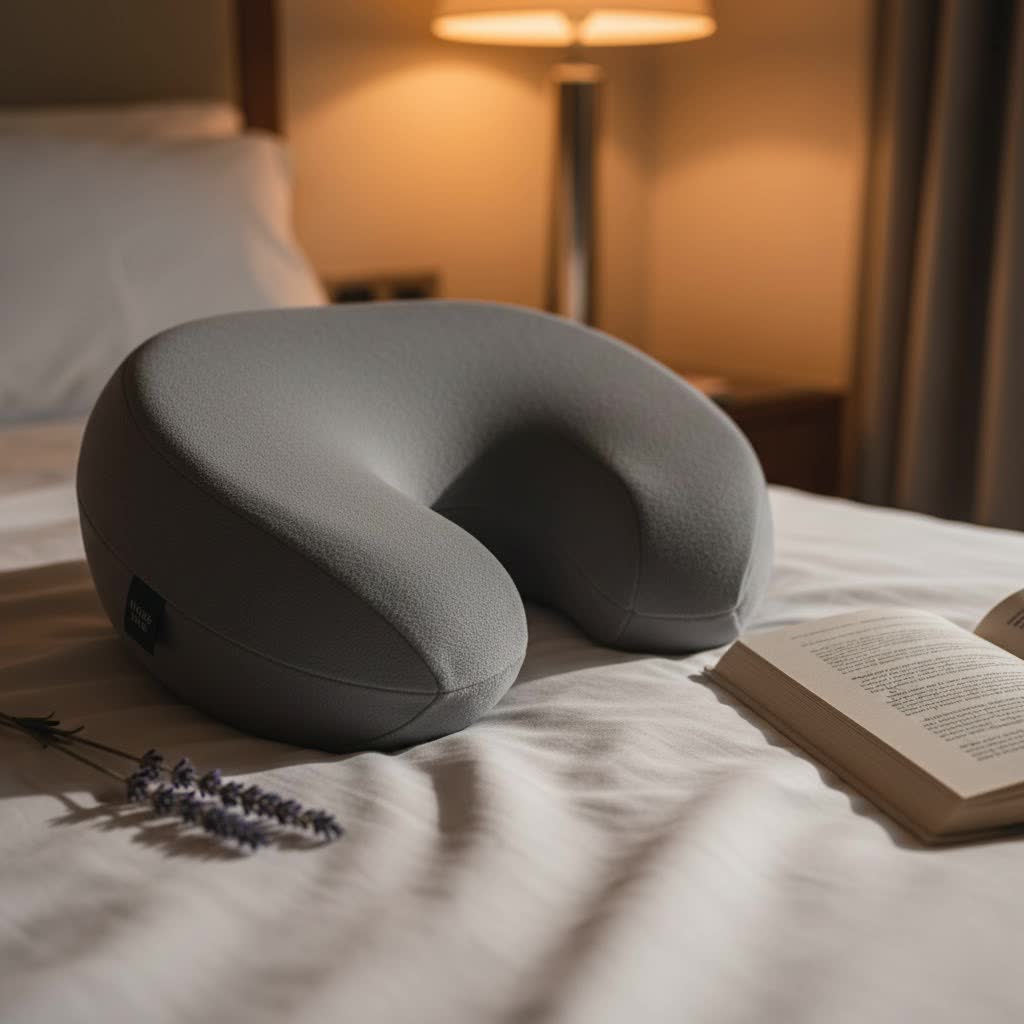
The classic U-shaped pillow is perhaps the most recognizable form of travel pillow, designed to wrap around the neck and provide support from the back and sides.
- Pros: Generally easy to use, widely available, and suitable for those who tend to lean back and keep their head relatively upright. Many come with memory foam, offering conforming comfort and firm support.
- Cons: Traditional U-shaped pillows can sometimes push the head forward if the seat has a thick headrest, and they may not provide adequate chin support for those who nod forward. They can also be bulky to pack, though many modern versions are compressible.
- Materials: Common materials include memory foam for contoured support, microbeads for moldability, and inflatable options for adjustability and portability.
- Best for: Travelers who sleep predominantly upright or lean back against a headrest, seeking general neck stability.
- Wirecutter Mentions: The Cabeau Evolution S3 is a notable U-shaped pillow, featuring a flattened back to sit flush with the seat and adjustable straps to prevent forward head slump.
|
Our Picks for the Best Travel Pillow in 2026
As an Amazon Associate I earn from qualifying purchases.
|
||
| Num | Product | Action |
|---|---|---|
| 1 | SZXYX Travel Pillows - 100% Pure Memory Foam Neck Pillow for Airplanes, Comfortable Breathable Cover, 360° Support Stowable Pillows for Sleeping, Car, Airport Travel Essentials Dark Grey |

|
| 2 | SAIREIDER Travel Pillows for Sleeping Airplane 100% Pure Memory Foam Neck Pillow for Airplanes Washable Cover(Grey) |
|
| 3 | Dot&Dot Twist Memory Foam Travel Pillow for Airplanes - Travel Neck Pillow for Sleeping - Airplane Pillow for Neck Support, Chin, Lumbar and Leg - Adjustable, Bendable Neck Roll Pillow |
|
| 4 | Adjustable Car Seat Lumbar Support Pillow Dual Straps Memory Foam Lower Back Waist Support Cushion with Convex Point Design Removable Cover for Vehicle SUVs Driving Travel Accessories Office Chair |
|
| 5 | Travel and Camping Pillow- Compressible Medium Firm Memory Foam Pillow with Carry Bag for Backpacking & Airplane, Lumbar Support. Breathable Cooling Fabric, Washable Pillowcase (Wathet Blue) |
|
| 6 | SAIREIDER Travel Pillow 100% Pure Memory Foam Travel Neck Pillow, Airplane Pillow for Traveling、Car、Home、Office,Washable Cover(Black) |
|
| 7 | napfun Neck Pillow for Traveling, Upgraded Travel Neck Pillow for Airplane 100% Pure Memory Foam Travel Pillow for Flight Headrest Sleep, Portable Plane Accessories, Light Grey |
|
| 8 | Cabeau Airplane Travel Pillow for Long Flights - Evolution S3 - Supportive Memory Foam with Seat Straps to Secure Your Head and Neck and Provides 360° Support (Jet Black) |
|
| 9 | FlyHugz® Neck Travel Pillow - Memory Foam Neck Pillow for Comfort on Airplane - Compact and Ergonomic Design for Travel, Car Rides, and Home Use - Ideal for Adults and Kids |
|
| 10 | Ormark Travel Pillows for Airplanes, 2026 New Travel Pillow with Eye Mask & Ear Plugs, Travel Neck Pillow Airplane 100% Memory Foam 360 Degree Support Stowable Pillows(Gray) |
|
Scarf-style/Non-traditional Pillows
These innovative designs deviate from the U-shape, often incorporating internal support structures hidden within soft fabric wraps.
- Pros: Offer unique support angles, often more compact and packable than traditional U-shapes, and excel at preventing lateral head movement. They often feel less like a medical device and more like cozy apparel.
- Cons: Can be less intuitive to put on, and some users might find their specific support mechanism restrictive or suited to only one side of head resting.
- How they work: Typically involve a hidden plastic brace or supportive ribbing that cradles the head and neck in a specific direction, held in place by wrapping the soft fabric around the neck.
- Best for: Travelers seeking strong lateral support, who prioritize compactness, and are open to alternative wearing styles.
- Wirecutter Mentions: The Trtl Travel Pillow is a prime example, known for its internal support system disguised as a soft scarf, providing excellent lateral neck stabilization.
Hybrid/Novel Designs
This category encompasses pillows that combine features or introduce completely new concepts to address specific travel sleep challenges.
- Pros: High versatility, specialized features (like sensory deprivation or multi-positional support), and often offer comprehensive comfort solutions.
- Cons: Can be more expensive, some designs might be visually striking (not for the inconspicuous traveler), and may require a learning curve to use effectively.
- Features: May include integrated hoods, eye masks, adjustable air bladders, or modular components that adapt to various sleeping positions.
- Best for: Long-haul flyers, those sensitive to light and noise, travelers with unique support needs, or those seeking an all-in-one sleep solution.
- Wirecutter Mentions: The Pluto Pod with its helmet-like design and integrated eye mask offers a sensory deprivation experience, while the Ostrichpillow Go provides plush yet firm compactness. The Coop Sleep Goods AirJustable blends memory foam with an inflatable core for customizable firmness.
Rectangular/Lumbar Pillows
While not primarily neck pillows, some traditional-shaped pillows are adapted for travel, or specialized lumbar pillows become versatile travel companions.
- Pros: Highly versatile, as they can be used for head support against a window, as a regular small pillow, or for lumbar support. Often very packable.
- Cons: Typically offer less specific neck support than U-shaped or scarf-style pillows, particularly for preventing forward head sag in an upright seat.
- When to choose: Ideal for travelers who prefer flexibility, those who frequently lean against windows, or individuals needing additional lower back support.
- Wirecutter Mentions: The Samsonite 2-in-1 Magic Travel Pillow can convert from a neck pillow to a square pillow for lumbar support, and the Therm-a-Rest Lumbar Travel Pillow is excellent for lower back comfort.
Wirecutter’s Top Picks: Detailed Reviews
Wirecutter’s rigorous testing—involving multiple panelists and real-world travel scenarios—helps identify the best of the best. Here are some of their standout recommendations.
Travelrest Nest Ultimate Memory Foam Travel Pillow (Wirecutter’s Best Overall)
Wirecutter considers the Travelrest Nest Ultimate Memory Foam Travel Pillow the best overall choice for most travelers due to its superior support and thoughtful design. This pillow features tall, marshmallowy memory foam walls that embrace the entire circumference of your neck, providing robust yet non-stifling support. What sets it apart is its uniquely tapered back, designed to sit flush against an airline seat’s headrest, preventing the common issue of your head being pushed forward. The velour cover is soft against the skin, and crucially, it’s removable and machine-washable for easy hygiene. An adjustable Velcro strap ensures a snug fit for various neck sizes, and grippy dots on the back prevent slippage during sleep. It compresses to a manageable size, making it relatively easy to pack despite its substantial support. This pillow is ideal for anyone seeking comprehensive neck support to prevent movement in any direction, ensuring comfortable, stable sleep.
Trtl Travel Pillow
The Trtl Travel Pillow stands out for its innovative and unconventional approach. Rather than a traditional U-shape, it’s designed more like a soft fleece scarf with a hidden internal support system—a plastic brace. This unique structure cradles the head and neck, offering exceptional lateral support. Its main benefit is preventing the head from lolling to the side, which is a common cause of neck pain during travel. The Trtl is also very packable, folding flat and lightweight, making it easy to attach to luggage. It’s often lauded by long-haul travelers who find its firm, targeted support far more effective than bulky U-shaped pillows. However, some users might find the single-sided support limits their ability to shift positions, and putting it on discreetly in a tight space might take practice. Despite these considerations, its effectiveness in providing stable lateral support makes it a Wirecutter favorite for many.
Cabeau Evolution S3 Neck Pillow
The Cabeau Evolution S3 Neck Pillow represents a significant upgrade to the traditional U-shaped design. Crafted from high-quality memory foam, it offers excellent cushioning and support. Its key features include a flattened back that ensures it rests perfectly against a seat’s headrest, promoting proper spinal alignment. Integrated adjustable straps allow you to secure the pillow directly to the headrest wings of an airplane seat, preventing your head from falling forward during sleep—a game-changer for many forward-nodding sleepers. While it can be bulkier than some minimalist options, the Cabeau Evolution S3 compresses efficiently into a small, travel-friendly bag that can be clipped to your carry-on. Its combination of robust memory foam support, flat back design, and seat-attachment capability makes it a top recommendation for those seeking a premium, secure neck pillow for long journeys.
Bcozzy Chin Support Travel Pillow
For travelers who primarily struggle with their head nodding forward during sleep, the Bcozzy Chin Support Travel Pillow offers a unique solution. Its distinctive design wraps around the neck multiple times, providing substantial support for the chin and front of the neck. This multi-positional capability allows it to be adjusted to provide support wherever needed, whether you’re leaning back, to the side, or prone to forward head droop. The soft, cozy material enhances comfort, making it a pleasant choice for extended wear. The Bcozzy is also highly adjustable and can accommodate over-the-ear headphones, a practical feature for many travelers. While it may not offer the rigid lateral support of some other designs, its excellent chin support and versatile comfort make it an ideal choice for specific sleeping patterns and preferences, highlighted by Wirecutter for its effectiveness in preventing forward head movement.
Comparison Table of Wirecutter Recommended Travel Pillows
| Feature | Travelrest Nest Ultimate Memory Foam | Trtl Travel Pillow | Cabeau Evolution S3 | Bcozzy Chin Support |
|---|---|---|---|---|
| Type | U-shaped / Wrap-around | Scarf-style with internal support | U-shaped with flat back | Multi-positional U-shaped (chin focus) |
| Primary Support | All-around neck, headrest flush | Lateral neck | Neck, prevents forward nod, attaches to seat | Chin, prevents forward nod |
| Material | Memory foam, velour | Fleece scarf with plastic brace | Memory foam | Soft, adjustable material |
| Packability | Compresses | Compact (folds flat) | Compresses into case | Wraps around luggage |
| Key Advantage | Superior all-around support, flat back | Lightweight, compact lateral support | Seat-attachment, flat back, forward support | Excellent chin support, versatile |
| Consideration | Can be bulky if not compressed | Limited head movement, placement can be tricky | Bulky without compression, higher price point | Less rigid lateral support than some others |
How Wirecutter Tests Travel Pillows (and What You Should Look For)
Wirecutter’s reputation for reliable reviews stems from its meticulous and real-world testing process. They don’t just read product descriptions; they put travel pillows through their paces to genuinely assess performance. This comprehensive approach is what truly sets their recommendations apart.
Real-world Testing
Wirecutter understands that a travel pillow needs to perform in the challenging environments of actual travel. Their testing involves multiple panelists trying out pillows on numerous cross-country red-eye flights, occupying various seats—window, aisle, and middle. This ensures that the pillows are evaluated under the exact conditions travelers will experience, from leaning against a window to sitting unsupported in a middle seat. This practical testing reveals how pillows fare against turbulence, uncomfortable seat designs, and prolonged wear.
Panelist Feedback
Comfort is highly subjective, which is why Wirecutter gathers feedback from a diverse group of panelists. This ensures that recommendations aren’t based on a single preference but account for various body types, neck sizes, and sleeping styles. Their panel-based approach acknowledges that what works for one person might not work for another, offering a broader perspective on a pillow’s adaptability and effectiveness.
Key Criteria
When evaluating travel pillows, Wirecutter focuses on several critical factors:
- Support: This is paramount. A good travel pillow must effectively prevent head bobbing and minimize neck strain, whether the head tends to fall laterally (side-to-side) or anteriorly (forward). They assess how well the pillow maintains a neutral spine alignment.
- Comfort: Beyond just support, the material, fit, and breathability are crucial. Is the fabric soft and non-irritating? Does the pillow feel stifling or allow for adequate airflow?
- Portability: Since travel pillows need to be carried, their size, weight, and ease of packing are significant. Can it be compressed, folded, or attached to luggage without being a nuisance?
- Durability & Cleanliness: A travel pillow is an investment, so Wirecutter considers its construction quality and longevity. Furthermore, given the shared environments of travel, removable and machine-washable covers are highly valued for hygiene.
- Adjustability: Pillows that offer some degree of customization—whether through straps, adjustable inflation, or versatile wearing options—often score higher because they can cater to a wider range of users.
- Design for Seat: Wirecutter pays close attention to how pillows interact with standard airline seats. Features like a flat back (to sit flush against the headrest) or the ability to attach to seat wings are distinct advantages.
Choosing Your Perfect Travel Pillow: Beyond Wirecutter’s Picks
While Wirecutter provides excellent guidance, the “perfect” travel pillow ultimately comes down to your personal needs. Consider these factors to find your ideal match:
- Your Sleeping Style: Do you tend to lean your head back, nod forward, or prefer sleeping on your side?
- Forward Nodders: Look for pillows with strong chin support, like the Bcozzy or designs that attach to the seat like the Cabeau Evolution S3.
- Side Sleepers/Window Leaners: Scarf-style pillows (Trtl) or those with robust side support work well.
- Upright Sleepers: Traditional U-shapes or the Travelrest Nest can provide all-around stability.
- Type of Travel:
- Long-haul Flights: Prioritize maximum support, comfort, and possibly features like noise reduction (Pluto Pod).
- Car/Train Trips: Portability might be less critical than comfort and stability.
- Backpacking/Light Travel: Opt for highly compressible or inflatable options.
- Material Preferences:
- Memory Foam: Offers firm, conforming support that molds to your neck. Excellent for consistent comfort.
- Inflatable: Provides adjustable firmness and superior compactness. Great for saving space but might feel less plush.
- Microbeads/Polyester Fill: More moldable and lightweight, good for those who like to squish and shape their pillow.
- Size & Weight: If carry-on space is tight, look for pillows that compress significantly or are designed to be worn. Don’t let a bulky pillow deter you from packing essentials.
- Special Features: Consider if you need integrated eye masks, hoods for privacy/noise reduction, or straps to attach the pillow to your luggage or seat.
- Budget: Travel pillows range from budget-friendly inflatable options to premium memory foam or hybrid designs. Investing in a quality pillow can significantly improve your travel experience, so balance cost with the benefits you expect.
Expert Tips for Maximizing Travel Pillow Comfort
Even the best travel pillow performs optimally with the right usage. Here are some pro tips to enhance your in-transit sleep:
- Proper Positioning: For U-shaped pillows, ensure the thickest part supports the natural curve of your neck. If you tend to nod forward, try rotating a U-pillow 180 degrees so the open part is at the back, allowing the thicker sections to support your chin. Scarf-style pillows often have a “sweet spot” for their internal brace—experiment to find the best angle for your head.
- Combine with Other Sleep Aids: A travel pillow is most effective when part of a holistic sleep strategy. Pair it with a comfortable eye mask to block out light and quality earplugs or noise-canceling headphones to minimize disruptive sounds.
- Regular Cleaning for Hygiene: Travel environments are breeding grounds for germs. Always choose a pillow with a removable, machine-washable cover. Regular cleaning, especially after long trips, ensures your pillow remains fresh and hygienic for future adventures.
- Hydrate and Dress Comfortably: While not pillow-specific, staying hydrated and wearing loose, comfortable clothing can significantly contribute to your overall comfort and ability to relax, making your travel pillow even more effective.
Conclusion
The pursuit of comfortable travel shouldn’t be a luxury, but a standard expectation. A well-chosen travel pillow, guided by insights from experts like Wirecutter, can profoundly transform your journey, turning restless hours into rejuvenating sleep. By understanding the diverse types, recognizing the rigorous testing criteria, and considering your personal travel habits, you’re empowered to make an informed decision. Investing in a high-quality travel pillow means investing in your well-being, ensuring you arrive at your destination refreshed, revitalized, and ready to embrace new experiences. Which Wirecutter-approved travel pillow will transform your next adventure?
Frequently Asked Questions
What makes Wirecutter’s travel pillow reviews reliable?
Wirecutter’s reviews are reliable because they involve extensive hands-on testing by multiple panelists across various real-world travel scenarios. They evaluate pillows based on objective criteria like support, comfort, portability, durability, and ease of cleaning, rather than just product specifications. This comprehensive approach helps them provide practical, trustworthy recommendations.
Can I use a travel pillow for everyday use?
While primarily designed for travel, some travel pillows, especially highly supportive memory foam or versatile multi-positional designs, can be used for everyday comfort at home or in the office. They can provide ergonomic support while reading, watching TV, or even for short naps, though they are not intended to replace a standard bed pillow.
Are inflatable travel pillows as good as memory foam?
Inflatable travel pillows offer the advantage of superior portability and adjustable firmness, as you can add or release air to suit your preference. However, memory foam pillows typically provide more consistent, conforming support and a softer, more luxurious feel. The “better” option depends on whether you prioritize compactness and adjustability (inflatable) or plush, continuous support (memory foam).
How do I clean my travel pillow?
Most modern travel pillows, especially those recommended by Wirecutter, come with removable, machine-washable covers. Always check the care label on your specific pillow for detailed instructions. For pillows without removable covers, spot cleaning with a damp cloth and mild detergent is usually recommended, followed by air drying.
What’s the best travel pillow for a window seat?
For a window seat, pillows that offer robust lateral support or allow you to comfortably lean against the window are ideal. Scarf-style pillows like the Trtl, or traditional U-shaped pillows with firm side walls, can work well. The J-Pillow is also specifically designed to cradle the head, neck, and chin against a window.
