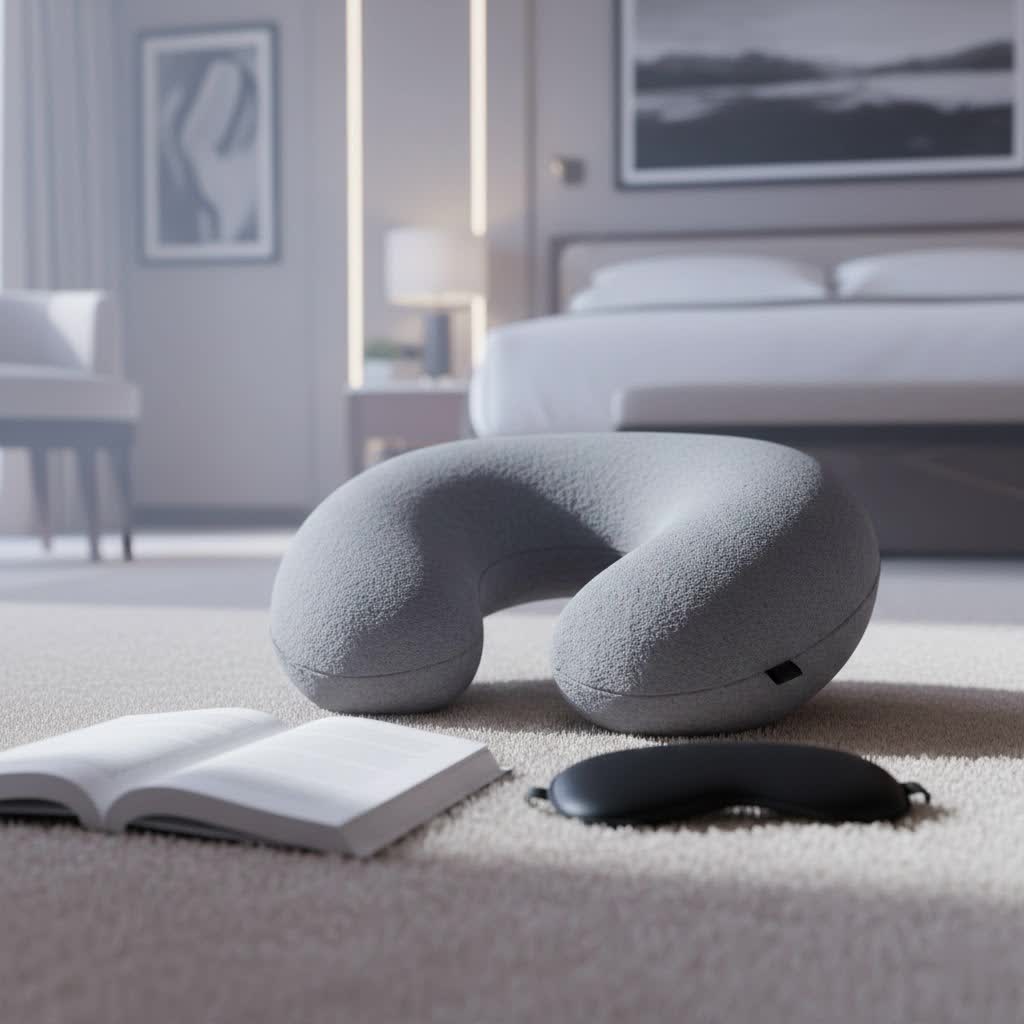
Long-haul flights can be grueling, often turning what should be an exciting journey into a neck-straining ordeal. Have you ever arrived at your destination feeling more exhausted than when you left, simply because you couldn’t find a comfortable sleeping position? A great travel pillow can transform your in-flight experience, offering crucial support that traditional pillows simply can’t match. This comprehensive guide will navigate the world of travel pillows, helping you discover the perfect companion for your next airborne adventure.
Why a Travel Pillow is Your Essential Flight Companion
The importance of quality sleep while traveling cannot be overstated. A well-rested traveler is more alert, less stressed, and better equipped to enjoy their destination. Unlike the pillows you use at home, travel pillows are specifically designed to address the unique challenges of sleeping upright in confined spaces like airplane seats. They provide targeted support, alleviate pressure points, and help maintain proper spinal alignment, preventing the dreaded neck pain and stiffness that often accompany long journeys. Beyond comfort, using a travel pillow can contribute to your overall well-being, reducing fatigue and improving your mood upon arrival.
Popular Types of Travel Pillows to Consider
The market is flooded with various designs, each catering to different preferences and sleep styles. Understanding the characteristics of each type will guide you toward the best choice.
U-shaped Pillows
The classic U-shaped pillow is perhaps the most recognized design, intended to cradle the neck and prevent the head from falling to the side.
- Pros: Familiar design, widely available, offers decent side support.
- Cons: Can push the head forward if too thick at the back, sometimes bulky to carry.
- Common Materials: Memory foam (conforms to your neck), microbeads (flexible but less firm), cotton/polyester fill (softer, less supportive).
- Ideal for: Those who need basic side support and prefer a traditional feel, especially if they can lean their head back comfortably without forward push.
|
Our Picks for the Best Travel Pillow in 2026
As an Amazon Associate I earn from qualifying purchases.
|
||
| Num | Product | Action |
|---|---|---|
| 1 | Travel and Camping Pillow- Compressible Medium Firm Memory Foam Pillow with Carry Bag for Backpacking & Airplane, Lumbar Support. Breathable Cooling Fabric, Washable Pillowcase (Wathet Blue) |

|
| 2 | Cabeau Airplane Travel Pillow for Long Flights - Evolution S3 - Supportive Memory Foam with Seat Straps to Secure Your Head and Neck and Provides 360° Support (Jet Black) |
|
| 3 | napfun Neck Pillow for Traveling, Upgraded Travel Neck Pillow for Airplane 100% Pure Memory Foam Travel Pillow for Flight Headrest Sleep, Portable Plane Accessories, Light Grey |
|
| 4 | SZXYX Travel Pillows - 100% Pure Memory Foam Neck Pillow for Airplanes, Comfortable Breathable Cover, 360° Support Stowable Pillows for Sleeping, Car, Airport Travel Essentials Dark Grey |
|
| 5 | FlyHugz® Neck Travel Pillow - Memory Foam Neck Pillow for Comfort on Airplane - Compact and Ergonomic Design for Travel, Car Rides, and Home Use - Ideal for Adults and Kids |
|
| 6 | Dot&Dot Twist Memory Foam Travel Pillow for Airplanes - Travel Neck Pillow for Sleeping - Airplane Pillow for Neck Support, Chin, Lumbar and Leg - Adjustable, Bendable Neck Roll Pillow |
|
| 7 | Adjustable Car Seat Lumbar Support Pillow Dual Straps Memory Foam Lower Back Waist Support Cushion with Convex Point Design Removable Cover for Vehicle SUVs Driving Travel Accessories Office Chair |
|
| 8 | SAIREIDER Travel Pillow 100% Pure Memory Foam Travel Neck Pillow, Airplane Pillow for Traveling、Car、Home、Office,Washable Cover(Black) |
|
| 9 | SAIREIDER Travel Pillows for Sleeping Airplane 100% Pure Memory Foam Neck Pillow for Airplanes Washable Cover(Grey) |
|
| 10 | Ormark Travel Pillows for Airplanes, 2026 New Travel Pillow with Eye Mask & Ear Plugs, Travel Neck Pillow Airplane 100% Memory Foam 360 Degree Support Stowable Pillows(Gray) |
|
Rectangular Pillows
Less common for direct neck support during upright sleep, rectangular pillows offer versatility.
- Pros: Can be used in various positions (as a lumbar support, against a window, or even on a tray table), more versatile than U-shaped for general lounging.
- Cons: Typically offers less direct neck support for upright sleeping compared to U-shaped or structured designs.
- Differences from U-shaped: Focuses on general cushioning rather than specific neck cradling.
- When to Choose: If you prefer flexibility and intend to use the pillow for more than just neck support, or if you primarily sleep against a window.
Inflatable Pillows
Designed for ultimate portability, inflatable pillows are a favorite among minimalist travelers.
- Pros: Extremely compact when deflated, adjustable firmness (by controlling air volume), lightweight.
- Cons: Can be less plush and comfortable than foam or microbead options, some can feel plasticky, requires effort to inflate/deflate.
- How to Use and Maintain: Inflate to desired firmness, deflate completely for packing. Most have covers that can be removed and washed; the inflatable core can be wiped clean.
Microbead Pillows
Filled with tiny polystyrene beads, these pillows offer a unique balance of softness and support.
- Pros: Molds to your shape, soft and comfortable, generally lightweight.
- Cons: Can be bulky and don’t compress well, beads can lose their shape over time, some may find them too soft for firm support.
- Considerations for Selection: Look for a durable cover and well-filled beads to ensure longevity and adequate support.
Structured/Innovative Designs (e.g., Trtl Pillow)
Breaking away from traditional shapes, some pillows offer unique internal support systems. The Trtl Pillow, for example, features an internal plastic support structure wrapped in soft fleece, designed to hold your head in an ergonomic position like a neck brace.
- Pros: Excellent structural support, often more compact than U-shaped memory foam, can prevent head wobble effectively.
- Cons: May require an adjustment period to find the optimal fit, some designs only support one side, can feel warm due to fabric wrapping.
- Ideal for: Travelers who struggle with head flopping and seek firm, consistent support, particularly side sleepers or those needing chin support.
Comparing Popular Travel Pillow Types
| Feature | U-shaped | Rectangular | Inflatable | Microbead | Structured (e.g., Trtl) |
|---|---|---|---|---|---|
| Pros | Familiar, decent side support | Versatile, multi-purpose | Highly portable, adjustable firmness | Soft, conforms to shape, comfortable | Excellent support, compact, prevents head flop |
| Cons | Can push head forward, bulky | Less dedicated neck support | Less plush, can feel plasticky | Bulky, less firm support, beads flatten | Takes getting used to, single-sided support |
| Material | Memory foam, microbeads, cotton/polyester | Cotton, memory foam, down | PVC, fabric cover | Polystyrene microbeads, fabric cover | Plastic support, fleece/fabric cover |
| Ideal User | Traditionalists, basic side support | Flexible users, general comfort | Minimalists, space-savers | Comfort-seekers, gentle support | Those needing firm, ergonomic support |
How to Choose Your Perfect Travel Pillow
Selecting the right travel pillow involves evaluating several key factors to match your personal needs and travel style.
Material Matters
The material of your travel pillow significantly impacts comfort, support, and breathability.
- Memory Foam: Excellent for contouring to your neck and head, providing firm, consistent support. It distributes pressure evenly, reducing strain. However, some memory foam can retain heat. Look for ventilated memory foam or breathable covers.
- Microbeads: Offer a softer, more pliable feel, conforming to your shape without the density of memory foam. They are often lightweight and adaptable.
- Inflatable: Usually made of PVC or similar plastics with a fabric cover. They are the lightest and most compact but may feel less luxurious or supportive than other materials.
- Cotton/Polyester: Found in basic U-shaped pillows, these are soft and breathable but offer the least structural support.
- Hypoallergenic Options: If you have sensitive skin or allergies, ensure the cover and filling are hypoallergenic and easy to clean.
Size and Weight for Portability
Consider how easily the pillow integrates into your travel routine.
- Fit for Sleeping Position: Ensure the pillow’s size provides adequate support without being too restrictive or bulky for your preferred sleeping posture.
- Lightweight and Compact: For frequent travelers, a pillow that is lightweight and compresses into a small carrying pouch is invaluable. Inflatable pillows excel here.
- Packed Dimensions: Pay attention to the pillow’s size when folded or deflated. Can it attach to your luggage or easily fit into your carry-on without taking up too much space?
Support Level is Crucial
The primary purpose of a travel pillow is to provide adequate neck and head support, preventing discomfort and promoting proper alignment.
- Neck Support: The best pillows will prevent your head from slumping forward or to the side. Look for designs with raised sides or internal structures that stabilize your neck.
- Checking Support: When trying a pillow, ensure it comfortably fills the gap between your head and shoulder/seat without pushing your head unnaturally forward. Your neck should feel stable and aligned with your spine.
- Spine Alignment: A good travel pillow supports the natural curve of your cervical spine, reducing the risk of pain and stiffness.
Durability for Longevity
Investing in a durable pillow ensures it withstands the rigors of frequent travel.
- Construction Quality: Inspect stitching, zippers, and clasps for robustness. High-quality materials and craftsmanship indicate better longevity.
- Reputable Brands: Brands known for travel accessories often use better materials and construction techniques.
- User Reviews: Check customer reviews for feedback on how the pillow holds up over time and with regular use.
Price Point Considerations
Travel pillows range widely in price, from budget-friendly options to premium models.
- Price Segments: Basic inflatable or microbead pillows are often affordable, while high-quality memory foam or innovative structured pillows typically command a higher price.
- Value vs. Cost: A more expensive pillow often translates to superior materials, better design, and enhanced comfort and durability. Consider it an investment in your travel comfort.
- Prioritize Quality: For frequent travelers, investing in a higher-quality pillow can prevent discomfort and save money in the long run by avoiding replacements.
Top Travel Pillows for Your Next Flight
Choosing from the vast array of options can be challenging. Here are some of the most highly-rated travel pillows that consistently deliver comfort and support:
- Trtl Travel Pillow: Known for its unique internal support system wrapped in soft fleece, the Trtl pillow offers excellent neck stability, especially for side sleepers. It’s more compact than many traditional U-shaped pillows and prevents the head wobble that can ruin in-flight sleep.
- Cabeau Evolution S3 Neck Pillow: This memory foam U-shaped pillow stands out with its flattened back (to prevent head push), raised side supports, and adjustable front clasp. It also features innovative straps to secure it to your seat’s headrest, minimizing movement. Ideal for those seeking robust U-shaped support.
- BCOZZY Travel Pillow: This versatile, multi-way pillow can be wrapped around your neck for double chin support, folded in half for side resting, or used as a lumbar pillow. Its soft, cozy material and machine-washable design make it a favorite for adaptable comfort.
- Ostrichpillow Go Neck Pillow: Featuring dense, high-quality memory foam, this pillow cradles the chin and neck, offering solid support. It’s surprisingly lightweight and compacts easily into its carrying pouch, making it a good choice for those who value both comfort and portability.
Tips for Using and Maintaining Your Travel Pillow
To maximize the life and hygiene of your travel pillow, proper care is essential.
- Cleaning: Most travel pillows come with removable, machine-washable covers. Always check the care label for specific instructions. For pillows without removable covers (like some microbead or inflatable types), spot clean with a damp cloth and mild soap. Air dry thoroughly to prevent mildew.
- Storage: When not in use, store your pillow in a clean, dry place, ideally in its original carrying pouch or a breathable bag. Avoid compressing memory foam pillows for extended periods if they are not designed for it, as this can affect their shape.
- In-flight Use: Experiment with different positions to find what works best for you. Some U-shaped pillows work better if worn backward to provide chin support, while structured pillows like the Trtl require specific placement. On planes, trains, or buses, try to position yourself against a window seat for added stability if possible.
“A well-chosen travel pillow isn’t just about comfort; it’s about safeguarding your neck health and ensuring you arrive at your destination refreshed and ready to explore.” – Dr. Elena Petrova, Travel Wellness Expert
Conclusion
The journey itself can be part of the adventure, and with the right airline travel pillow, you can ensure it’s a comfortable one. From the supportive embrace of memory foam to the adaptable designs of innovative new products, there’s a perfect pillow out there for every traveler and every flight. By considering material, portability, support, durability, and your personal comfort preferences, you can make an informed choice that transforms your in-flight sleep from restless to blissful. Don’t let a stiff neck or sleepless night spoil your trip; invest in the best travel pillow and elevate your travel experience. What’s the one feature you absolutely can’t compromise on when choosing your ideal travel pillow?
Frequently Asked Questions
What is the best type of travel pillow for neck pain?
For neck pain, memory foam or structured pillows like the Trtl are often recommended due to their superior ability to conform to the neck’s natural curve and provide firm, consistent support, preventing awkward head positions that exacerbate pain.
Are inflatable travel pillows comfortable?
While highly portable and adjustable, inflatable travel pillows can sometimes be less comfortable than foam or microbead options, as they may feel less plush and lack the soft contouring. However, their adjustable firmness allows users to customize the support level.
How do I clean my travel pillow?
Most travel pillows feature removable, machine-washable covers. Always consult the product’s care label for specific washing instructions. For pillows without removable covers, spot clean with a gentle detergent and warm water, then allow them to air dry completely.
Can I use a travel pillow for everyday use at home?
While designed for travel, some versatile travel pillows, particularly U-shaped memory foam or microbead types, can be used at home for reading, watching TV, or even as extra support in an office chair. However, they are not typically replacements for a full-sized sleeping pillow.
