The allure of travel often comes with the less glamorous reality of cramped spaces and awkward sleeping positions, especially on long flights. Do you find yourself arriving at your destination with a stiff neck and a bleary-eyed disposition? The solution might be simpler than you think: a quality travel pillow. With over a decade of experience reviewing countless options, we understand what truly makes a travel pillow exceptional. Let’s delve into the world of travel pillows to help you discover the ideal companion for your next journey, ensuring you arrive refreshed and ready to explore.
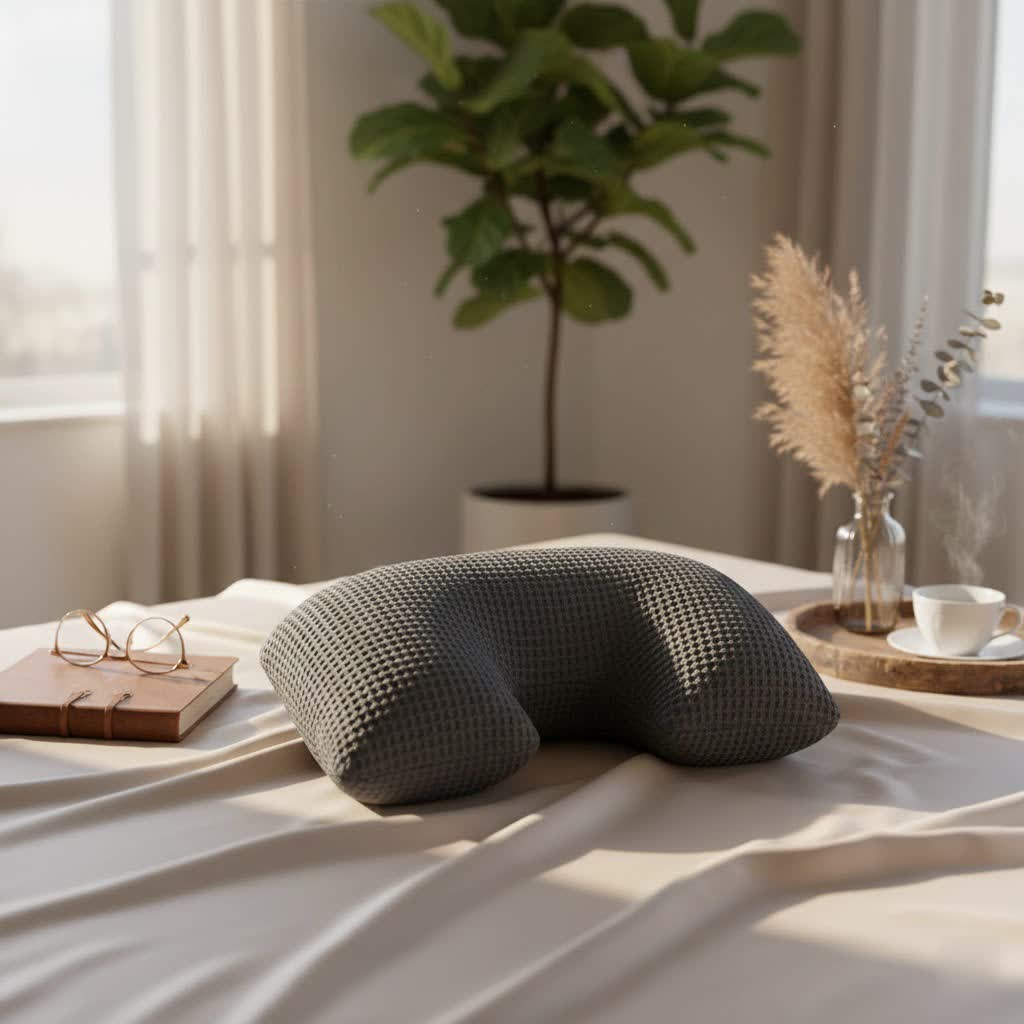
Why You Need a Travel Pillow?
The importance of a good night’s rest cannot be overstated, especially when you’re on the go. Traveling, particularly by air, can be incredibly taxing on the body, disrupting natural sleep patterns and causing discomfort. A travel pillow is specifically designed to counteract these challenges, offering crucial support that standard pillows simply cannot provide in a seated, upright position.
Unlike your traditional bed pillow, a travel pillow focuses on stabilizing your head and neck, preventing the dreaded “head bob” and subsequent strain. This specialized support helps maintain proper spinal alignment, significantly reducing the risk of neck and shoulder pain. Investing in a travel pillow is an investment in your well-being, enhancing your ability to rest comfortably and arrive at your destination feeling energized rather than exhausted.
Popular Types of Travel Pillows
The market is brimming with various travel pillow designs, each catering to different preferences and needs. Understanding their unique characteristics is key to making an informed choice.
-
U-shaped Pillow: This classic design is perhaps the most recognizable.
- Pros: U-shaped pillows offer good all-around neck support, cradling the head to prevent side-to-side movement. They are generally comfortable and widely available.
- Cons: Some can be bulky to carry, and the support at the back of the neck might push your head forward in seats with existing headrests, leading to discomfort.
- Materials: Common fillings include memory foam, which contours to your neck; microbeads, offering a softer, more pliable feel; and inflatable options for adjustability and portability.
- Suitable Users: Ideal for those who tend to sleep upright and need consistent neck support, especially in window or middle seats.
-
Rectangular Pillow: Less common for direct neck support, rectangular travel pillows offer versatility.
- Pros: These are often more flexible, usable as a lumbar support, a cushion for leaning against a window, or even as a traditional small pillow for side sleepers if space permits.
- Cons: They provide less direct neck stabilization compared to U-shaped designs and might be too bulky for tight airplane seats.
- Differences from U-shaped: Their primary difference lies in their multi-purpose functionality rather than dedicated neck cradling.
- When to Choose: Opt for a rectangular pillow if you value versatility and prefer to create your own comfort setup, perhaps for leaning against a window or as an extra cushion.
-
Inflatable Pillow: Engineered for ultimate portability, inflatable pillows are a favorite among minimalist travelers.
- Pros: They are exceptionally small and lightweight when deflated, making them easy to pack without taking up precious luggage space. You can adjust the firmness by controlling the amount of air.
- Cons: The comfort level can sometimes be limited, as they may feel less plush or conforming than foam-based alternatives. Some users also find them prone to making noise or feeling like a “floatation device.”
- Usage and Care: Simply inflate by mouth to your desired firmness and deflate by opening the valve. They are typically easy to wipe clean.
-
Microbead Pillow: These pillows are filled with tiny polystyrene beads, giving them a distinct feel.
- Pros: Microbead pillows are known for their soft, squishy feel that allows them to conform to your neck and head. They are often less expensive than memory foam options.
- Cons: While comfortable, they may not offer as firm or consistent support as memory foam, and their bulk can still be an issue for packing. If they tear, the beads can escape, creating a mess.
- Tips for Choosing: Look for microbead pillows with a durable, soft cover and consider if you prefer a softer, more adaptive feel over rigid support.
Comparison Table of Travel Pillows
|
Our Picks for the Best Travel Pillow in 2026
As an Amazon Associate I earn from qualifying purchases.
|
||
| Num | Product | Action |
|---|---|---|
| 1 | Dot&Dot Twist Memory Foam Travel Pillow for Airplanes - Travel Neck Pillow for Sleeping - Airplane Pillow for Neck Support, Chin, Lumbar and Leg - Adjustable, Bendable Neck Roll Pillow |

|
| 2 | SAIREIDER Travel Pillows for Sleeping Airplane 100% Pure Memory Foam Neck Pillow for Airplanes Washable Cover(Grey) |
|
| 3 | Ormark Travel Pillows for Airplanes, 2026 New Travel Pillow with Eye Mask & Ear Plugs, Travel Neck Pillow Airplane 100% Memory Foam 360 Degree Support Stowable Pillows(Gray) |
|
| 4 | SZXYX Travel Pillows - 100% Pure Memory Foam Neck Pillow for Airplanes, Comfortable Breathable Cover, 360° Support Stowable Pillows for Sleeping, Car, Airport Travel Essentials Dark Grey |
|
| 5 | Cabeau Airplane Travel Pillow for Long Flights - Evolution S3 - Supportive Memory Foam with Seat Straps to Secure Your Head and Neck and Provides 360° Support (Jet Black) |
|
| 6 | Travel and Camping Pillow- Compressible Medium Firm Memory Foam Pillow with Carry Bag for Backpacking & Airplane, Lumbar Support. Breathable Cooling Fabric, Washable Pillowcase (Wathet Blue) |
|
| 7 | SAIREIDER Travel Pillow 100% Pure Memory Foam Travel Neck Pillow, Airplane Pillow for Traveling、Car、Home、Office,Washable Cover(Black) |
|
| 8 | Adjustable Car Seat Lumbar Support Pillow Dual Straps Memory Foam Lower Back Waist Support Cushion with Convex Point Design Removable Cover for Vehicle SUVs Driving Travel Accessories Office Chair |
|
| 9 | napfun Neck Pillow for Traveling, Upgraded Travel Neck Pillow for Airplane 100% Pure Memory Foam Travel Pillow for Flight Headrest Sleep, Portable Plane Accessories, Light Grey |
|
| 10 | FlyHugz® Neck Travel Pillow - Memory Foam Neck Pillow for Comfort on Airplane - Compact and Ergonomic Design for Travel, Car Rides, and Home Use - Ideal for Adults and Kids |
|
| Feature | U-shaped | Rectangular | Inflatable | Microbead |
|---|---|---|---|---|
| Pros | Excellent neck support, prevents head bobbing | Flexible, multi-purpose, can be window pillow | Extremely compact, adjustable firmness | Soft, conforms to neck, good for adaptable comfort |
| Cons | Can be bulky, may push head forward in some seats | Less direct neck support, can be cumbersome | Less plush, potentially noisy, can be stiff | Can be bulky, less firm support, messy if ruptured |
| Material | Memory foam, microbeads, cotton/polyester | Cotton, down, memory foam | PVC/TPU bladder with fabric cover | Polystyrene beads with fabric cover |
| Ideal User | Upright sleepers, frequent flyers seeking consistent support | Flexible sleepers, those who lean on windows, multi-purpose use | Minimalist travelers, space-conscious individuals | Comfort-focused individuals, those who prefer soft support |
How to Choose the Right Travel Pillow
Selecting the perfect travel pillow involves considering several key factors that align with your personal comfort, travel habits, and physiological needs.
-
Material: The material dictates both comfort and breathability.
- Prioritize materials that are breathable and moisture-wicking to prevent overheating, especially on long journeys.
- Memory foam offers superior contouring and firm support, ideal for maintaining spinal alignment. However, some types can retain heat.
- Cotton or polyester fills are generally softer and more breathable, but might offer less structural support.
- Microbeads provide a malleable, conforming feel.
- If you have sensitive skin, opt for hypoallergenic and soft fabrics like velvet or fleece for the outer cover.
-
Size and Weight: These factors directly impact portability and usability.
- Choose a size that provides adequate support for your preferred sleeping posture without being overly bulky. Consider if you’re a side sleeper who might need more cushioning to one side.
- Prioritize lightweight pillows that won’t add significant heft to your carry-on.
- Always check the dimensions when the pillow is compressed or folded, as easy packing is crucial for travel efficiency.
-
Support: The primary function of a travel pillow is to provide optimal support.
- Excellent neck support is paramount to prevent strain and ensure restful sleep in an upright position. A pillow should cradle your head and neck, preventing it from falling forward or to the sides.
- To check for adequate support, ensure the pillow keeps your head aligned with your spine when you’re seated. It should fill the gap between your neck and the seat, without pushing your head uncomfortably forward.
- Look for designs that offer 360-degree support or specialized side/chin support if you tend to nod off in various directions.
-
Durability: A good travel pillow should withstand the rigors of frequent travel.
- Examine the stitching, zippers, and overall construction. High-quality craftsmanship indicates better longevity.
- Choosing a pillow from a reputable brand often assures better quality and customer service.
- Reading user reviews can provide insights into the real-world durability and performance of a specific pillow over time.
-
Price: Travel pillows come in a wide price range.
- Basic inflatable or microbead pillows can be quite affordable, while advanced memory foam or uniquely designed pillows tend to be in a higher price bracket.
- While budget options can be tempting, remember that investing in a higher-quality pillow can significantly enhance your travel comfort and last longer. Consider it a long-term investment in your well-being.
Top 3 Travel Pillows for Enhanced Flight Comfort
Based on extensive testing and user feedback, certain types of travel pillows consistently stand out for their ability to deliver superior comfort and support during flights.
-
Premium Memory Foam Neck Pillow: This pillow typically features a contoured U-shape made from high-density memory foam. It excels in providing firm yet adaptive support, cradling the neck and preventing head movement. Many models include adjustable clasps to customize the fit and a flattened back to sit flush against the seat, avoiding forward head tilt. The removable, washable cover adds convenience. This is ideal for those seeking robust, reliable support on long-haul flights.
-
Innovative Side-Support Travel Pillow: Breaking away from the traditional U-shape, this type often incorporates an internal support structure wrapped in soft fabric, designed to brace the head and neck to one side. It’s particularly effective for individuals who struggle with head flopping or prefer leaning their head to the side while sleeping. Its compact design and ability to offer targeted support without excessive bulk make it a unique and highly praised option for achieving deep sleep on planes.
-
Compact Inflatable Neck Pillow with Ergonomic Design: For the ultimate in portability, this inflatable pillow combines the lightweight nature of air-filled designs with a more ergonomic shape than basic versions. It might feature specific contours for neck and chin support when inflated, and a soft, durable outer fabric for comfort. Its ability to deflate into a tiny pouch makes it perfect for minimalists who prioritize space-saving without entirely sacrificing comfort and adjustability.
Tips for Using and Maintaining Your Travel Pillow
To maximize the lifespan and effectiveness of your travel pillow, proper usage and care are essential.
-
Cleaning Your Travel Pillow: Always check the manufacturer’s instructions for cleaning. Most modern travel pillows come with removable, machine-washable covers, which is a significant hygiene advantage. For pillows without removable covers, spot cleaning with a mild detergent and air drying is usually recommended. Regular cleaning prevents the buildup of sweat and odors, keeping your pillow fresh for every trip.
-
Storing Your Pillow: When not in use, store your travel pillow in a clean, dry place, away from direct sunlight. Many memory foam pillows come with a compression bag, allowing them to be packed down to a fraction of their size. Inflatable pillows should be fully deflated before storage. Proper storage helps maintain the pillow’s shape, material integrity, and overall longevity.
-
Usage in Different Transport: While excellent for flights, travel pillows are also invaluable for other modes of transport. On buses and trains, they offer similar neck and head support, turning uncomfortable journeys into opportunities for rest. In a car, they can prevent neck strain during long drives, especially for passengers. Experiment with different positions to find what works best for your specific seating arrangement and personal comfort needs.
“A truly effective travel pillow is not just about softness; it’s about engineering the right balance of support and adaptability to mimic natural sleep posture, even when gravity and cramped spaces work against you.” – Dr. Alistair Finch, Ergonomics Specialist
Conclusion
Choosing the ideal travel pillow for your flights can transform your journey from a source of fatigue to an opportunity for rejuvenation. By understanding the diverse types, materials, and features available, you can select a pillow that precisely meets your needs for comfort, support, and portability. Remember, a good travel pillow is an essential tool for any traveler, promising pain-free arrivals and more enjoyable adventures. So, which travel pillow will accompany you on your next exciting escapade, ensuring you wake up feeling refreshed and ready to explore?
Frequently Asked Questions
Is a U-shaped travel pillow always the best choice for flights?
While U-shaped pillows are popular for their comprehensive neck support, they aren’t universally the best. For those who find their head pushed forward by seatbacks or prefer leaning to one side, alternative designs like innovative side-support pillows or even compact rectangular options might offer more tailored comfort and better spinal alignment, depending on individual preference.
Can travel pillows help with snoring on airplanes?
Some travel pillows are designed to keep your head and neck in a more upright and stable position, which can potentially help keep your airways more open compared to an unsupported, slumped position. However, while they might mitigate some snoring, they are not a guaranteed cure for all types of sleep-related breathing issues and individual results may vary.
How do I clean a memory foam travel pillow?
For most memory foam travel pillows, it’s recommended to clean the removable outer cover according to its specific care label, typically machine wash and air dry. The memory foam core itself usually cannot be submerged in water; instead, spot clean any spills with a damp cloth and mild detergent, then allow it to thoroughly air dry away from direct sunlight.
